

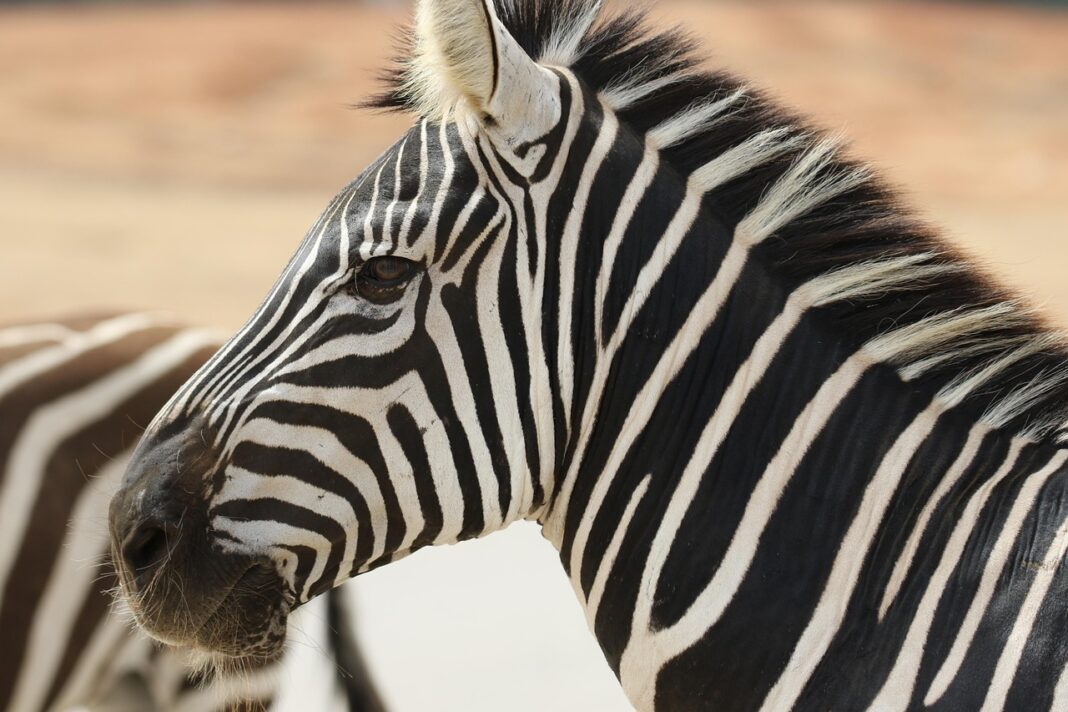

Capturing the raw beauty and untamed spirit of the animal kingdom is a pursuit that blends artistry, patience, and a deep respect for nature. Wildlife photography is more than just taking pictures; it’s about telling stories, raising awareness, and preserving memories of the incredible creatures that share our planet. Whether you’re a seasoned professional or just starting out, this guide will provide you with valuable insights and practical tips to elevate your wildlife photography.
Understanding Wildlife Photography Equipment
Camera Body and Lens Selection
Choosing the right gear is crucial for success in wildlife photography. Your camera and lens are your primary tools for capturing stunning images.
- Camera Body:
Look for a camera body with a fast frame rate (fps) for capturing action sequences.
High ISO performance is essential for shooting in low-light conditions, which are common during dawn and dusk – prime times for wildlife activity.
Weather sealing can protect your camera from the elements, especially when shooting in challenging environments.
Example: Sony a7IV, Canon EOS R6, Nikon Z6II – are excellent mirrorless options.
- Lens Selection:
Telephoto Lenses: These are the workhorses of wildlife photography. Focal lengths of 300mm or longer are typically recommended.
Zoom Lenses: Provide versatility, allowing you to adjust your framing quickly. Examples include 100-400mm, 150-600mm, and 200-500mm lenses.
Prime Lenses: Offer superior image quality and wider apertures for low-light shooting and shallow depth of field. Examples include 300mm f/2.8, 400mm f/2.8, 500mm f/4, and 600mm f/4.
Lens Considerations: Image stabilization (IS or VR) is vital for sharp images, especially when hand-holding long lenses. Consider the lens’s minimum focusing distance – the closer it can focus, the more versatile it will be.
- Accessories:
Tripod: Provides stability for sharp images, especially with long lenses. A gimbal head is ideal for tracking moving subjects.
Monopod: Offers a compromise between stability and portability.
Remote Shutter Release: Minimizes camera shake when taking photos.
Extra Batteries and Memory Cards: Crucial for long shoots in the field.
Camera Bag: Protects your gear during transport.
Essential Camera Settings for Wildlife Photography
Mastering your camera settings is key to capturing stunning wildlife images.
- Shooting Mode:
Aperture Priority (Av or A): Allows you to control the depth of field, blurring the background for a pleasing effect. Use this when light is consistent and you want control over the background.
Shutter Priority (Tv or S): Allows you to control the shutter speed, freezing motion or creating motion blur. Use this when you want to capture movement like a bird in flight.
Manual (M): Gives you complete control over both aperture and shutter speed, ideal for challenging lighting situations. Requires more experience but provides maximum control.
- Focusing:
Continuous Autofocus (AF-C): Tracks moving subjects, keeping them sharp.
Focus Points: Use a single focus point or a small group of focus points to target your subject accurately. Enable back-button focus for more control.
Focus Limiter: On some lenses, you can limit the focus range to improve focusing speed, especially when shooting distant subjects.
- ISO:
Keep the ISO as low as possible to minimize noise.
Increase the ISO when necessary to maintain a fast enough shutter speed.
Use noise reduction software in post-processing to clean up high-ISO images.
- Metering:
Evaluative/Matrix Metering: Evaluates the entire scene and adjusts the exposure accordingly.
Spot Metering: Meters only a small area of the frame, useful for subjects with strong contrast.
Center-Weighted Metering: Gives more weight to the center of the frame.
- File Format:
RAW: Captures the most information, allowing for greater flexibility in post-processing. Recommended for professional work.
JPEG: Compressed file format that is easier to share and takes up less space.
Planning Your Wildlife Photography Outings
Researching Wildlife Habitats and Behaviors
Successful wildlife photography requires a deep understanding of your subjects and their environments.
- Location Research:
Identify areas known for specific wildlife species. National parks, wildlife reserves, and bird sanctuaries are excellent options.
Use online resources like eBird, iNaturalist, and local wildlife organizations to gather information about recent sightings and species distribution.
Scout locations in advance to assess lighting conditions, accessibility, and potential shooting angles.
- Understanding Animal Behavior:
Learn about the animals’ feeding habits, mating rituals, and migration patterns.
Observe their behavior in the field to anticipate their movements and capture key moments.
Respect their space and avoid disturbing their natural behavior.
- Timing is Everything:
Golden Hour: The hour after sunrise and the hour before sunset offer the best lighting conditions.
Seasonal Considerations: Different seasons bring different opportunities. For example, spring is ideal for capturing newborns, while autumn offers vibrant foliage.
Weather Conditions: Overcast days can provide soft, even lighting, while rainy days can create dramatic and atmospheric images.
Ethical Considerations and Conservation
Responsible wildlife photography is crucial for protecting both the animals and their habitats.
- Minimize Disturbance:
Maintain a safe distance from wildlife to avoid stressing or endangering them.
Avoid using flash photography, especially with nocturnal animals.
Never feed animals or alter their environment to get a better shot.
- Respect Private Property:
Obtain permission before entering private land.
Stay on designated trails and avoid trampling vegetation.
- Support Conservation Efforts:
Donate to wildlife conservation organizations.
Share your images and stories to raise awareness about conservation issues.
Follow the principles of Leave No Trace.
Mastering Composition and Lighting
Techniques for Capturing Compelling Images
Composition and lighting are essential elements in creating visually appealing wildlife photographs.
- Rule of Thirds: Divide your frame into nine equal parts and place key elements along the lines or at the intersections.
- Leading Lines: Use natural lines, such as rivers or paths, to guide the viewer’s eye towards the subject.
- Framing: Use elements in the foreground, such as trees or rocks, to frame your subject and add depth to the image.
- Eye Contact: Capture the animal’s eyes in sharp focus to create a connection with the viewer.
- Backgrounds: Choose backgrounds that are clean and uncluttered to avoid distractions.
- Depth of Field: Use a shallow depth of field to isolate your subject and blur the background. For landscapes, a deeper depth of field will keep everything sharp.
- Capturing Action: Use a fast shutter speed to freeze motion or a slower shutter speed to create motion blur. Panning with a moving subject is an advanced technique.
Utilizing Natural Light Effectively
Light is the painter of photography, and understanding how to use it is crucial.
- Golden Hour Magic: As mentioned earlier, shoot during the golden hour for warm, soft light.
- Overcast Days: Provide even, diffused lighting that is ideal for portraits.
- Backlighting: Can create stunning silhouettes or rim light effects.
- Harsh Sunlight: Avoid shooting in harsh midday sunlight, as it can create strong shadows and blown highlights. If you must shoot then, seek shade or use a diffuser.
Post-Processing Techniques for Wildlife Photography
Enhancing Your Images in Post-Production
Post-processing is an essential step in refining your wildlife photographs.
- Software Options:
Adobe Lightroom: Popular choice for organizing and editing images.
Adobe Photoshop: Powerful tool for advanced editing and retouching.
Capture One: Offers excellent color handling and detail recovery.
Affinity Photo: A more affordable alternative to Photoshop.
- Basic Adjustments:
Exposure: Adjust the overall brightness of the image.
Contrast: Increase or decrease the difference between the light and dark areas.
Highlights and Shadows: Recover detail in blown highlights and blocked shadows.
White Balance: Correct the color temperature of the image.
Clarity and Texture: Enhance the details and sharpness of the image.
Sharpening: Add sharpness to the image to bring out fine details. Be careful not to over-sharpen.
Noise Reduction: Reduce noise in high-ISO images.
- Advanced Techniques:
Dodging and Burning: Selectively lighten or darken areas of the image to enhance contrast and highlight details.
Color Grading: Adjust the colors in the image to create a specific mood or style.
Removing Distractions: Use cloning and healing tools to remove unwanted elements from the image.
* Local Adjustments: Use adjustment brushes to selectively edit specific areas of the image.
Conclusion
Wildlife photography is a rewarding journey that combines technical skills with a deep appreciation for the natural world. By understanding your equipment, planning your outings, mastering composition and lighting, and honing your post-processing skills, you can capture stunning images that tell stories, inspire conservation, and connect people with the beauty of wildlife. Remember to always prioritize ethical considerations and respect the animals and their habitats. Now, grab your gear, venture into the wild, and start capturing the magic of the animal kingdom!