

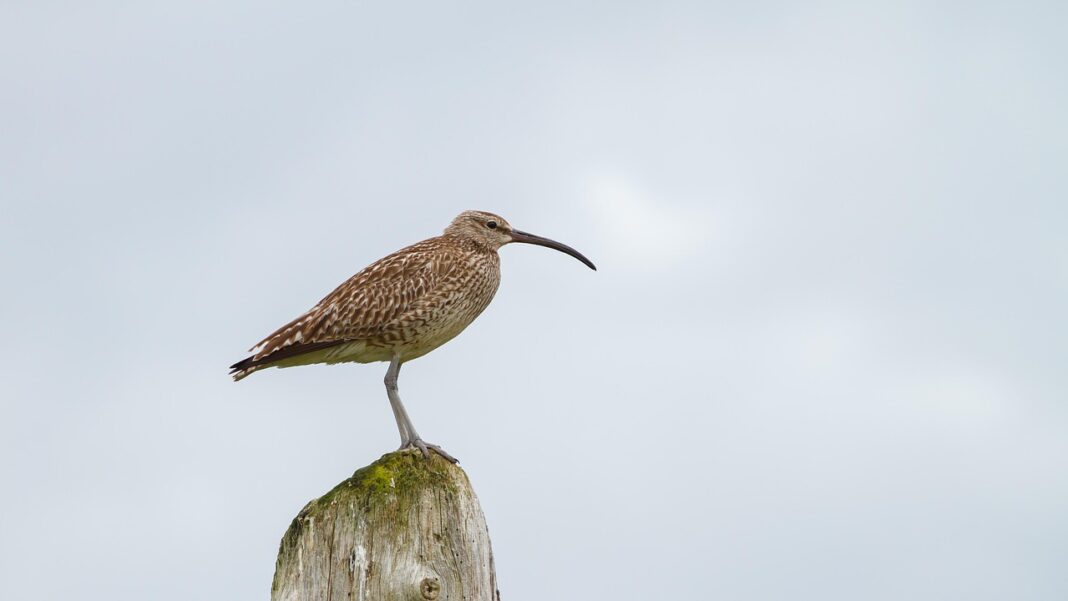

Biodiversity, the intricate tapestry of life on Earth, is far more than just a buzzword. It’s the foundation upon which our ecosystems thrive, providing us with essential resources and services we often take for granted. From the smallest microorganisms to the largest whales, every species plays a vital role in maintaining the delicate balance of our planet. Understanding and protecting biodiversity is crucial for our survival and the well-being of future generations.
What is Biodiversity?
Defining Biodiversity
Biodiversity, short for biological diversity, encompasses the variety of life at all levels, from genes to ecosystems. It includes the number of different species in an area, the genetic variation within those species, and the variety of ecosystems they form.
- Species Diversity: The number and abundance of different species in a given area.
- Genetic Diversity: The variation of genes within a species.
- Ecosystem Diversity: The variety of habitats, communities, and ecological processes.
Think of the Amazon rainforest. It’s teeming with a mind-boggling array of species, each uniquely adapted to its environment. This rich biodiversity is what makes the Amazon such a vital ecosystem, regulating climate, producing oxygen, and providing habitats for countless organisms.
Why Biodiversity Matters
Biodiversity is not just about preserving pretty landscapes; it’s about ensuring the stability and resilience of our planet. A healthy ecosystem with high biodiversity provides numerous benefits, known as ecosystem services.
- Ecosystem Stability: Diverse ecosystems are better able to withstand disturbances like droughts, floods, and diseases.
- Provisioning Services: Biodiversity provides us with food, water, timber, medicines, and other essential resources. For example, many modern drugs are derived from natural compounds found in plants and animals.
- Regulating Services: Ecosystems regulate climate, purify water, control pests, and pollinate crops. Wetlands, for instance, act as natural sponges, absorbing floodwaters and filtering pollutants.
- Cultural Services: Biodiversity provides recreational, aesthetic, and spiritual benefits. Think of the inspiration and tranquility derived from visiting a national park.
- Supporting Services: These are the fundamental processes that support all other ecosystem services, such as nutrient cycling and soil formation.
Threats to Biodiversity
Habitat Loss and Degradation
Habitat loss is arguably the biggest threat to biodiversity. As forests are cleared for agriculture, urban development, and mining, countless species lose their homes and are driven towards extinction.
- Deforestation: The clearing of forests for timber, agriculture, and other land uses. The Amazon rainforest is losing significant amounts of forest cover each year.
- Urban Sprawl: The expansion of cities and suburbs into natural areas. This fragments habitats and isolates populations.
- Agricultural Expansion: The conversion of natural habitats into farmland. Monoculture farming (growing a single crop) reduces biodiversity in agricultural landscapes.
A practical example is the loss of habitat for orangutans in Borneo and Sumatra due to deforestation for palm oil plantations. This has led to a drastic decline in orangutan populations and threatens their very survival.
Climate Change
Climate change is altering ecosystems at an alarming rate, forcing species to adapt, migrate, or face extinction. Rising temperatures, changing precipitation patterns, and more frequent extreme weather events are all impacting biodiversity.
- Rising Temperatures: Many species are unable to tolerate the increasing temperatures, leading to range shifts and declines. Coral bleaching, caused by warming ocean temperatures, is devastating coral reefs worldwide.
- Ocean Acidification: The absorption of excess carbon dioxide by the oceans is making them more acidic, harming marine life, particularly shellfish and coral reefs.
- Changing Precipitation Patterns: Shifts in rainfall patterns can lead to droughts in some areas and floods in others, disrupting ecosystems and affecting species survival.
For example, polar bears are facing a dire situation due to the melting of Arctic sea ice, which is their primary hunting ground. As the ice melts, they have less access to seals, their main food source, leading to starvation and population declines.
Invasive Species
Invasive species are non-native organisms that can outcompete native species for resources, disrupt ecosystems, and transmit diseases. They are a major threat to biodiversity worldwide.
- Lack of Natural Predators: Invasive species often lack natural predators or diseases in their new environments, allowing them to proliferate rapidly.
- Competitive Advantage: They may be more efficient at acquiring resources or reproducing than native species.
- Habitat Alteration: Some invasive species can alter habitats, making them unsuitable for native species.
An example is the introduction of the brown tree snake to Guam, which has decimated native bird populations and caused widespread power outages by climbing on electrical equipment.
Pollution
Pollution from various sources can have devastating effects on biodiversity. Chemical pollutants, plastic waste, and nutrient pollution all contribute to the degradation of ecosystems.
- Chemical Pollution: Pesticides, herbicides, and industrial chemicals can contaminate soil, water, and air, harming wildlife and disrupting ecosystems.
- Plastic Pollution: Plastic waste accumulates in the oceans, entangling marine animals, polluting habitats, and breaking down into microplastics that enter the food chain.
- Nutrient Pollution: Excessive use of fertilizers can lead to nutrient runoff, causing algal blooms in aquatic ecosystems. These blooms deplete oxygen levels, creating “dead zones” where marine life cannot survive.
The Great Pacific Garbage Patch is a prime example of the devastating impact of plastic pollution on marine ecosystems. This massive accumulation of plastic waste is harming marine life and disrupting the food chain.
Conservation Strategies for Biodiversity
Protected Areas
Establishing protected areas, such as national parks, wildlife reserves, and marine sanctuaries, is a critical strategy for conserving biodiversity. These areas provide safe havens for wildlife and protect valuable habitats.
- National Parks: Large areas of land managed for conservation, recreation, and education.
- Wildlife Reserves: Areas specifically managed for the protection of wildlife.
- Marine Protected Areas (MPAs): Areas of the ocean managed for conservation purposes.
For example, Yellowstone National Park in the United States is a protected area that harbors a diverse range of species, including bison, wolves, and grizzly bears. Its protected status helps ensure the long-term survival of these iconic species.
Sustainable Resource Management
Adopting sustainable practices in agriculture, forestry, and fisheries is essential for minimizing the impact of human activities on biodiversity. Sustainable resource management aims to use resources in a way that meets the needs of the present without compromising the ability of future generations to meet their own needs.
- Sustainable Agriculture: Practices that minimize the use of pesticides and fertilizers, promote soil health, and conserve water.
- Sustainable Forestry: Practices that ensure the long-term health and productivity of forests, while also protecting biodiversity.
- Sustainable Fisheries: Practices that manage fish populations to prevent overfishing and protect marine ecosystems.
An example is the use of agroforestry, which combines agriculture and forestry by planting trees alongside crops. This practice can improve soil health, provide habitat for wildlife, and increase biodiversity in agricultural landscapes.
Restoration Ecology
Restoration ecology involves restoring degraded ecosystems to their former glory. This can involve replanting native vegetation, removing invasive species, and cleaning up pollution.
- Habitat Restoration: Replanting native vegetation, restoring wetlands, and removing barriers to fish migration.
- Invasive Species Removal: Eradicating or controlling invasive species to allow native species to recover.
- Pollution Remediation: Cleaning up contaminated soil and water.
The restoration of the Chesapeake Bay is an example of a large-scale restoration effort. This involves reducing nutrient pollution, restoring oyster reefs, and replanting seagrass beds to improve water quality and support marine life.
Raising Awareness and Education
Educating the public about the importance of biodiversity and the threats it faces is crucial for building support for conservation efforts. Raising awareness can inspire individuals to take action to protect biodiversity in their own lives.
- Public Education Campaigns: Informing the public about the importance of biodiversity and the threats it faces.
- Environmental Education Programs: Teaching children and adults about ecology, conservation, and sustainability.
- Citizen Science Projects: Engaging the public in scientific research and monitoring of biodiversity.
Many organizations offer educational programs and volunteer opportunities to help people learn about and contribute to biodiversity conservation. These programs can range from participating in bird surveys to helping restore local habitats.
Conclusion
Biodiversity is the lifeblood of our planet, providing us with essential services and resources that underpin our well-being. The threats to biodiversity are real and pressing, but there are also many solutions available. By protecting habitats, adopting sustainable practices, and raising awareness, we can safeguard biodiversity for future generations. It is our collective responsibility to protect the intricate web of life that sustains us all. Every action, no matter how small, can make a difference in preserving the incredible diversity of our planet.