

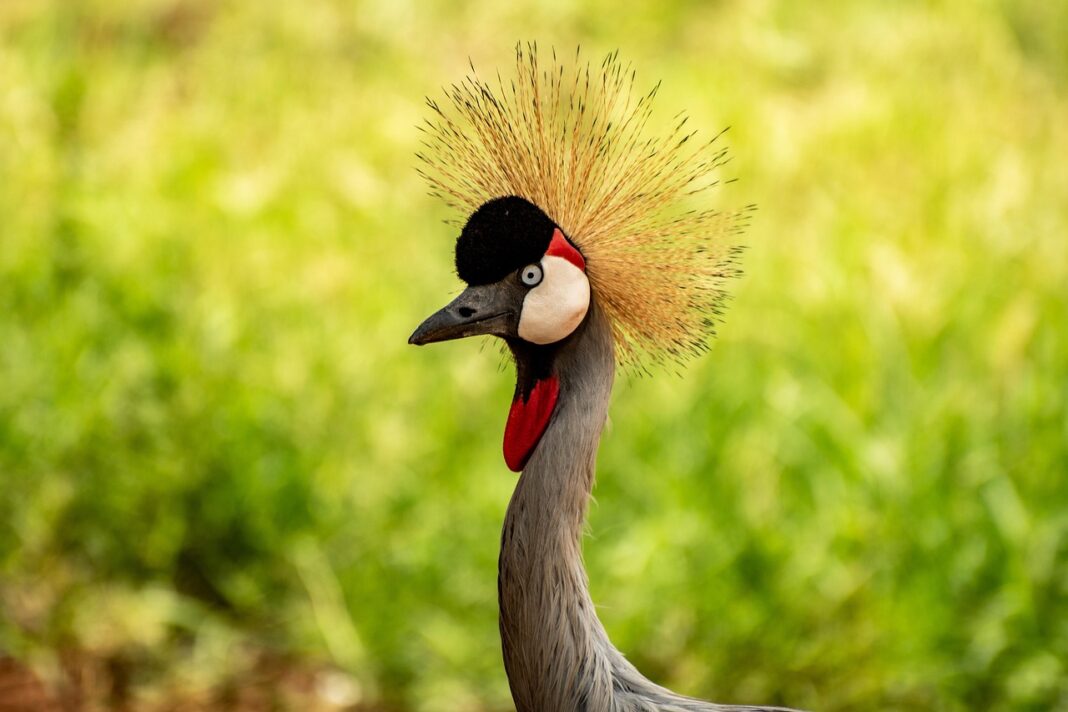

Imagine a world where the vibrant tapestry of life slowly unravels, thread by thread, as habitats vanish. This isn’t a scene from a dystopian novel, but a real and pressing threat facing our planet today. Habitat preservation is not just an environmental concern; it’s a fundamental necessity for the survival of countless species, the health of our ecosystems, and the well-being of future generations. Let’s delve into why preserving these vital spaces is crucial and how we can all contribute to this important cause.
The Importance of Habitat Preservation
Why Habitats Matter
Habitats are the natural environments where plants and animals live, encompassing everything they need to survive: food, water, shelter, and space to reproduce. These ecosystems provide vital services that directly impact human lives, often unnoticed and unappreciated.
- They provide clean air and water. Forests filter pollutants, wetlands purify water, and oceans produce oxygen.
- They regulate climate. Forests absorb carbon dioxide, helping to mitigate climate change, and wetlands act as natural buffers against floods and storms.
- They support biodiversity. Habitats are home to a vast array of species, contributing to the richness and resilience of life on Earth.
- They offer recreational opportunities. Natural areas provide spaces for hiking, birdwatching, fishing, and other activities that enhance our quality of life.
The Threat of Habitat Loss
Habitat loss is the leading cause of species extinction globally. As human populations grow and our demands on natural resources increase, habitats are being destroyed and fragmented at an alarming rate.
- Deforestation: Forests are cleared for agriculture, logging, and development, destroying habitats and releasing carbon dioxide into the atmosphere.
- Urbanization: Cities and suburbs expand, replacing natural areas with concrete and asphalt.
- Agriculture: Conversion of natural habitats into farmland disrupts ecosystems and pollutes water sources with pesticides and fertilizers.
- Mining and resource extraction: Mining operations destroy habitats and pollute the surrounding environment.
- Climate change: Rising temperatures, changing precipitation patterns, and extreme weather events alter habitats and threaten species survival.
Strategies for Habitat Preservation
Protected Areas
Establishing protected areas, such as national parks, wildlife refuges, and nature reserves, is a critical strategy for habitat preservation.
- Benefits of protected areas:
– Provide refuge for threatened and endangered species
– Protect biodiversity hotspots
– Preserve natural landscapes
– Offer opportunities for research and education
- Example: Yellowstone National Park in the United States protects a vast wilderness area, including critical habitat for grizzly bears, wolves, and bison.
- Challenges: Protected areas need effective management and enforcement to prevent poaching, illegal logging, and other threats. They also require adequate funding to support conservation efforts.
Habitat Restoration
Restoring degraded habitats can help to recover lost biodiversity and ecosystem services.
- Restoration techniques:
– Reforestation: Planting trees to restore forests.
– Wetland restoration: Restoring drained or degraded wetlands.
– Stream restoration: Improving water quality and habitat in streams and rivers.
– Invasive species removal: Removing non-native species that threaten native ecosystems.
- Example: The Everglades in Florida are being restored to improve water flow, reduce nutrient pollution, and enhance habitat for wading birds and other wildlife.
- Considerations: Restoration projects should be carefully planned and implemented, taking into account the specific ecological conditions of the site.
Sustainable Land Use Practices
Adopting sustainable land use practices can help to minimize the impact of human activities on habitats.
- Sustainable agriculture: Implementing farming practices that reduce soil erosion, water pollution, and habitat loss. Examples: crop rotation, no-till farming, and integrated pest management.
- Sustainable forestry: Managing forests in a way that maintains biodiversity, protects water quality, and provides timber resources for future generations.
- Green building: Designing and constructing buildings that minimize environmental impact and conserve resources.
- Urban planning: Creating cities and towns that are more compact, walkable, and transit-oriented, reducing the need for sprawl and habitat loss.
The Role of Individuals
Supporting Conservation Organizations
Many organizations are working to protect and restore habitats. Supporting these groups through donations, volunteering, or advocacy can make a significant difference.
- Examples of conservation organizations:
– The Nature Conservancy
– World Wildlife Fund
– National Audubon Society
– Sierra Club
- How to get involved:
– Donate money
– Volunteer your time
– Advocate for conservation policies
– Participate in citizen science projects
Making Sustainable Choices
Our individual choices can have a profound impact on habitats around the world.
- Reducing consumption: Buy less stuff, reuse items, and recycle.
- Eating sustainably: Choose locally sourced, organic food and reduce your meat consumption.
- Conserving water and energy: Use water and energy efficiently at home.
- Avoiding single-use plastics: Reduce your use of single-use plastics, which can pollute habitats and harm wildlife.
- Educating yourself and others: Learn about the importance of habitat preservation and share your knowledge with others.
Creating Habitat in Your Backyard
Even small actions can make a difference in your own backyard.
- Planting native plants: Native plants provide food and shelter for local wildlife.
- Creating a wildlife-friendly garden: Provide water sources, nesting sites, and shelter for birds, insects, and other animals.
- Reducing pesticide use: Pesticides can harm beneficial insects and other wildlife.
- Creating a pollinator garden: Plant flowers that attract bees, butterflies, and other pollinators.
The Economic Benefits of Habitat Preservation
Ecosystem Services
Healthy habitats provide a wide range of ecosystem services that are essential for human well-being and economic prosperity.
- Examples of ecosystem services:
– Clean air and water
– Climate regulation
– Pollination
– Flood control
– Soil fertility
- Economic value of ecosystem services: The value of ecosystem services is estimated to be trillions of dollars per year.
Tourism and Recreation
Natural areas attract tourists and provide opportunities for recreation, generating revenue for local communities.
- Ecotourism: Responsible travel to natural areas that conserves the environment and improves the well-being of local people.
- Outdoor recreation: Hiking, birdwatching, fishing, and other outdoor activities generate billions of dollars in revenue each year.
Long-Term Sustainability
Preserving habitats is essential for long-term economic sustainability. By protecting natural resources and ecosystem services, we can ensure that future generations have the resources they need to thrive.
Conclusion
Habitat preservation is an urgent and critical task that requires a collective effort. By understanding the importance of habitats, implementing effective preservation strategies, and making sustainable choices, we can protect these vital spaces for future generations. Let’s all commit to being stewards of our planet and working together to ensure a healthy and thriving future for all. Every action, no matter how small, contributes to a larger movement of conservation and sustainability. The time to act is now; let’s protect the places where life flourishes.