

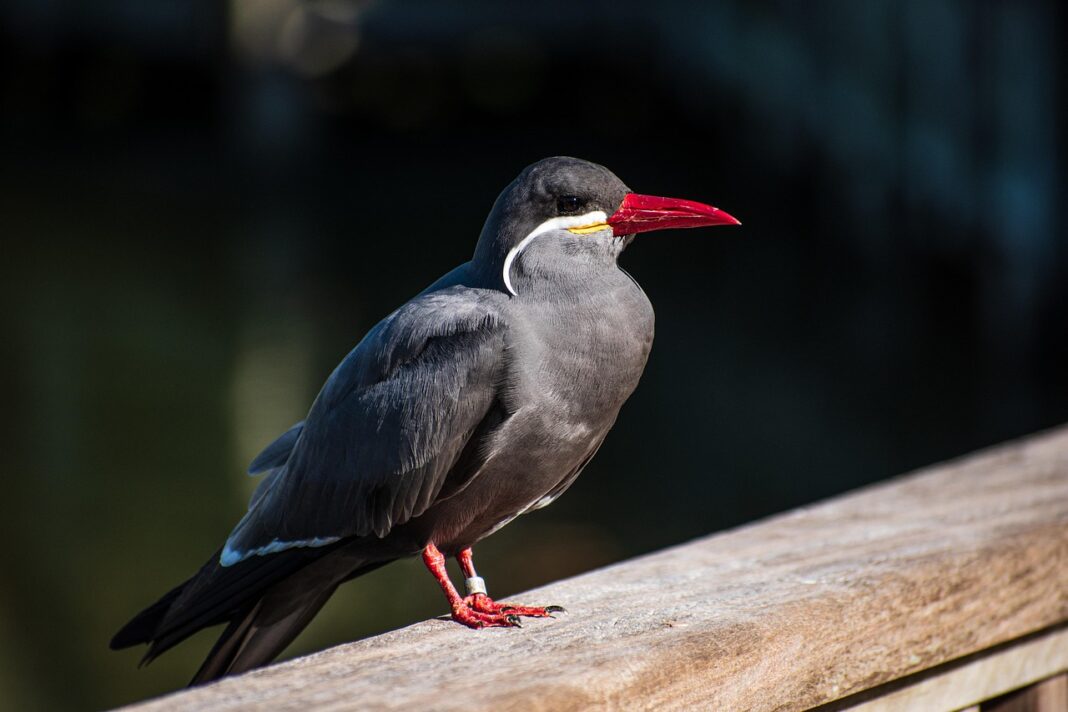

Imagine a world where lush rainforests are replaced by barren landscapes, where vibrant coral reefs fade into lifeless skeletons, and where iconic species vanish from the face of the Earth. This isn’t a scene from a dystopian movie; it’s a very real threat we face if we don’t actively engage in conservation efforts. Conservation is not just about preserving nature; it’s about ensuring our own survival and the well-being of future generations. This article explores the critical importance of conservation, the diverse approaches being implemented, and how you can contribute to safeguarding our planet’s invaluable resources.
What is Conservation and Why is it Important?
Defining Conservation
Conservation, at its core, is the act of protecting and preserving natural resources and the environment. This encompasses a wide range of activities, from safeguarding endangered species and their habitats to managing resources like water and forests sustainably. It’s about striking a balance between human needs and the long-term health of the planet.
The Importance of Conservation
- Biodiversity Preservation: Conservation protects the incredible diversity of life on Earth, which is crucial for ecosystem stability and resilience. A healthy ecosystem supports countless species and provides vital services like pollination and disease regulation.
- Resource Management: Sustainable management of resources like water, forests, and minerals ensures their availability for future generations. Overexploitation leads to depletion, scarcity, and environmental degradation.
- Climate Change Mitigation: Forests and oceans play a critical role in absorbing carbon dioxide. Conservation efforts, such as reforestation and protecting marine ecosystems, help mitigate climate change.
- Economic Benefits: Conservation can support sustainable tourism, agriculture, and fisheries, providing economic opportunities while preserving natural resources.
- Human Health: A healthy environment is essential for human well-being. Clean air and water, access to nature, and the prevention of disease outbreaks are all linked to conservation.
- Actionable Takeaway: Understand the interconnectedness of ecosystems and the vital role they play in supporting life on Earth. Consider how your daily actions impact the environment and seek ways to reduce your footprint.
Key Conservation Strategies
Protected Areas
Establishing protected areas, such as national parks and wildlife reserves, is a cornerstone of conservation. These areas provide safe havens for wildlife and protect valuable ecosystems from human encroachment.
- National Parks: These are large areas protected by national governments for conservation and recreation. Yellowstone National Park in the United States is a prime example, protecting geysers, wildlife, and diverse landscapes.
- Wildlife Sanctuaries: Focused on protecting specific species or habitats, these areas often have stricter regulations regarding human activities.
- Marine Protected Areas (MPAs): MPAs protect marine ecosystems, including coral reefs, seagrass beds, and fish spawning grounds. The Great Barrier Reef Marine Park in Australia is a world-renowned example.
- Community-Based Conservation: Empowering local communities to manage and protect their natural resources is essential for long-term success. This approach recognizes the importance of traditional knowledge and promotes sustainable livelihoods.
Species Conservation
Species conservation focuses on protecting endangered or threatened species and their habitats. This often involves a combination of strategies, including habitat restoration, captive breeding programs, and anti-poaching measures.
- Habitat Restoration: Restoring degraded habitats, such as wetlands and forests, provides suitable environments for wildlife to thrive. Organizations like The Nature Conservancy actively engage in habitat restoration projects worldwide.
- Captive Breeding Programs: These programs aim to increase the population of endangered species in controlled environments, with the goal of eventually reintroducing them into the wild. The California Condor recovery program is a successful example.
- Anti-Poaching Efforts: Combating illegal wildlife trade is crucial for protecting endangered species like elephants, rhinos, and tigers. Organizations like WWF support anti-poaching patrols and work to reduce consumer demand for illegal wildlife products.
Sustainable Resource Management
Sustainable resource management involves using natural resources in a way that meets the needs of the present without compromising the ability of future generations to meet their own needs.
- Sustainable Forestry: Practicing sustainable forestry involves managing forests to ensure long-term timber production, biodiversity conservation, and ecosystem health.
- Sustainable Agriculture: Sustainable agricultural practices minimize environmental impacts, such as soil erosion, water pollution, and greenhouse gas emissions. Examples include organic farming, crop rotation, and reduced tillage.
- Water Conservation: Implementing water-saving technologies and promoting responsible water use are essential for addressing water scarcity. Examples include rainwater harvesting, drip irrigation, and water-efficient appliances.
- Sustainable Fisheries: Managing fisheries sustainably ensures that fish populations remain healthy and productive, preventing overfishing and protecting marine ecosystems.
- Actionable Takeaway: Support organizations dedicated to establishing and managing protected areas. Learn about endangered species in your region and find ways to contribute to their conservation. Look for products that are sustainably sourced and produced.
Challenges in Conservation
Funding
Conservation efforts often face significant funding challenges. Many conservation projects rely on government funding, private donations, and grants, which can be unpredictable and insufficient.
- Limited Government Budgets: Conservation often competes with other priorities for government funding, such as healthcare, education, and infrastructure.
- Dependence on Philanthropy: Relying heavily on private donations can make conservation projects vulnerable to economic downturns or changes in donor priorities.
- Need for Innovative Funding Mechanisms: Exploring innovative funding mechanisms, such as carbon markets, ecosystem service payments, and green bonds, is essential for securing long-term financial support for conservation.
Human-Wildlife Conflict
As human populations grow and encroach on wildlife habitats, conflicts between humans and animals become more frequent. This can lead to retaliatory killings of wildlife and undermine conservation efforts.
- Crop Raiding: Elephants, monkeys, and other animals often raid crops, causing significant economic losses for farmers.
- Livestock Predation: Carnivores like lions, tigers, and wolves may prey on livestock, leading to conflict with ranchers and herders.
- Addressing Conflict: Implementing conflict mitigation strategies, such as electric fences, compensation schemes, and community-based conservation programs, is crucial for reducing human-wildlife conflict.
Climate Change
Climate change is exacerbating many existing threats to biodiversity and ecosystems, making conservation efforts even more challenging.
- Habitat Loss: Rising sea levels, extreme weather events, and changes in precipitation patterns are causing widespread habitat loss and degradation.
- Species Extinctions: Climate change is driving many species towards extinction, as they struggle to adapt to rapidly changing environmental conditions.
- Addressing Climate Change: Reducing greenhouse gas emissions and implementing climate adaptation measures are essential for mitigating the impacts of climate change on biodiversity.
- Actionable Takeaway: Advocate for increased funding for conservation initiatives. Support sustainable development practices that minimize human-wildlife conflict. Reduce your carbon footprint to help mitigate climate change.
Technological Advancements in Conservation
Remote Sensing and GIS
Remote sensing technologies, such as satellites and drones, provide valuable data for monitoring ecosystems and wildlife populations. Geographic Information Systems (GIS) are used to analyze spatial data and create maps that inform conservation planning and management.
- Habitat Mapping: Remote sensing can be used to map and monitor changes in habitat extent and condition.
- Wildlife Tracking: GPS collars and other tracking devices allow researchers to monitor the movements and behavior of wildlife.
- Enforcement Support: Drones can be used to detect illegal activities, such as poaching and deforestation.
Genetic Technologies
Genetic technologies are used to study the genetic diversity of populations, identify endangered species, and manage captive breeding programs.
- Population Genetics: Analyzing DNA samples can reveal information about the genetic health and diversity of populations, which is important for conservation management.
- Forensic Science: DNA analysis can be used to identify illegally traded wildlife products and prosecute poachers.
Artificial Intelligence (AI)
AI is being used to analyze large datasets, predict ecological trends, and automate conservation tasks.
- Species Identification: AI can be used to automatically identify species from images or audio recordings, which is useful for monitoring biodiversity.
- Poaching Prediction: AI can be used to predict poaching hotspots, allowing law enforcement to deploy resources more effectively.
- Actionable Takeaway: Support research and development of new technologies for conservation. Learn about how technology is being used to protect wildlife and ecosystems.
How You Can Help
Reduce Your Environmental Footprint
- Conserve Energy: Reduce your energy consumption by using energy-efficient appliances, turning off lights when you leave a room, and reducing your use of heating and air conditioning.
- Reduce Waste: Reduce your waste by recycling, composting, and avoiding single-use plastics.
- Eat Sustainably: Choose sustainably sourced food products and reduce your consumption of meat, which has a high environmental impact.
- Travel Responsibly: Choose eco-friendly transportation options, such as public transportation, biking, or walking, and support sustainable tourism businesses.
Support Conservation Organizations
- Donate: Donate to conservation organizations that are working to protect wildlife and ecosystems.
- Volunteer: Volunteer your time to help with conservation projects, such as habitat restoration or wildlife monitoring.
- Advocate: Advocate for policies that support conservation, such as stronger environmental regulations and increased funding for conservation initiatives.
Educate Yourself and Others
- Learn More: Learn more about conservation issues and the threats facing biodiversity.
- Spread Awareness: Share your knowledge with others and encourage them to take action.
- Engage in Citizen Science: Participate in citizen science projects, such as wildlife monitoring or data collection.
- Actionable Takeaway:* Start small by making simple changes in your daily life. Educate yourself about conservation issues and share your knowledge with others. Support organizations that are working to protect our planet.
Conclusion
Conservation is a critical endeavor that requires a collective effort. By understanding the importance of conservation, supporting effective strategies, addressing challenges, leveraging technology, and taking personal action, we can all contribute to safeguarding our planet’s invaluable resources for future generations. The future of our planet depends on the choices we make today. Let’s choose conservation.