

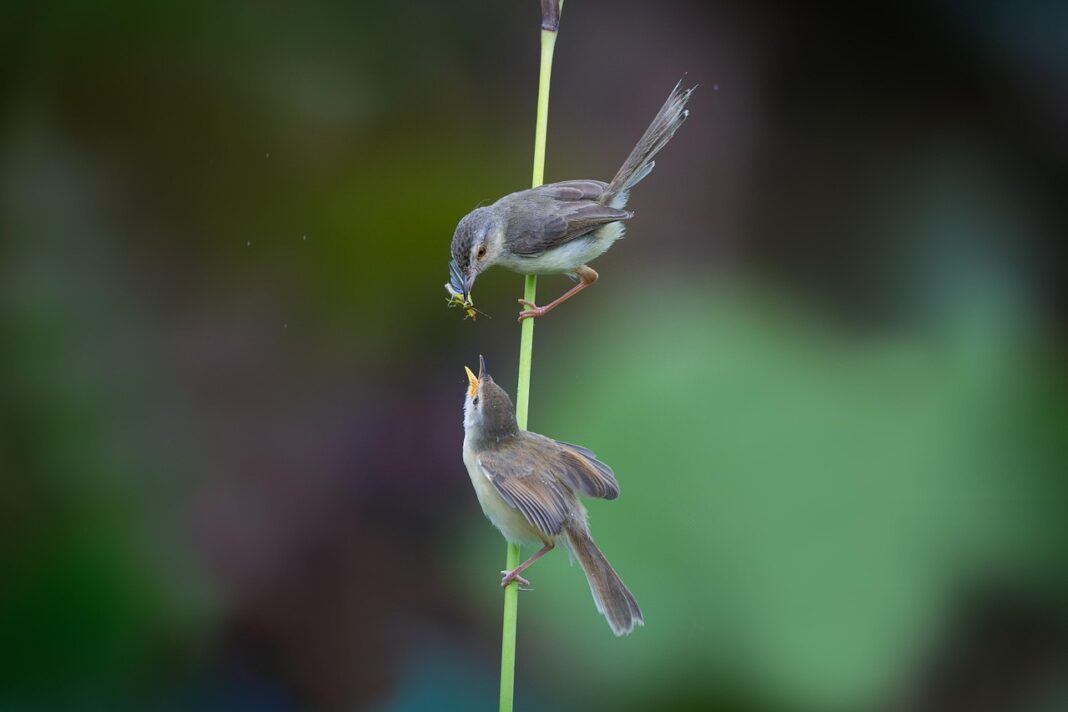

Every year, across oceans, continents, and even the skies above us, a spectacular display of nature unfolds: animal migration. From the awe-inspiring journeys of humpback whales to the delicate dance of monarch butterflies, these movements are driven by an innate need to survive and thrive. Understanding the complexities of animal migration is crucial for conservation efforts and appreciating the delicate balance of our planet’s ecosystems.
Understanding Animal Migration
Defining Animal Migration
Animal migration is more than just wandering; it’s a recurring, large-scale movement of animals between breeding and feeding grounds. This movement is usually seasonal, with animals returning to their original habitats after completing their journeys.
- It involves a predictable and recurring pattern.
- Animals often travel long distances.
- It’s linked to specific life cycle stages (breeding, feeding, etc.).
- Navigation can be based on landmarks, the sun, stars, or even the Earth’s magnetic field.
Different Types of Migration
Animal migration comes in many forms, each adapted to the species and their environment. These can be broadly categorized based on various factors such as distance, regularity, and the triggers behind the movement.
- Latitudinal Migration: Movement north and south, often driven by seasonal changes in temperature and food availability. Example: Arctic terns migrating from the Arctic to Antarctica and back again each year.
- Longitudinal Migration: Movement east and west. This is less common than latitudinal migration, but examples include some fish species following ocean currents.
- Altitudinal Migration: Movement up and down mountain slopes, driven by changes in temperature and snow cover. Example: Elk moving to lower elevations during winter.
- Irruptive Migration: Unpredictable movements in response to resource scarcity or environmental changes. Example: Snowy owls moving south in large numbers when lemming populations crash.
- Complete Migration: All individuals of a species migrate. Example: Monarch butterflies.
- Partial Migration: Only some individuals migrate, while others remain in the same location year-round. Example: American robins, where some populations migrate south, and others stay in the north.
Drivers Behind Animal Migration
Environmental Factors
The environment plays a crucial role in triggering and guiding animal migrations. Changes in temperature, rainfall, and daylight hours all influence the availability of food and suitable breeding habitats.
- Temperature: As temperatures drop, many animals migrate to warmer climates where they can find food and avoid harsh weather conditions.
- Rainfall: Rainfall patterns can influence the availability of water and vegetation, which in turn affects the distribution of herbivores and their predators.
- Daylight Hours: Changes in daylight hours can trigger hormonal changes in animals, preparing them for migration.
- Food Availability: Animals often migrate to areas where food is more abundant, ensuring they have enough resources to survive and reproduce.
Reproductive Needs
Many animals migrate to specific locations to breed and raise their young. These breeding grounds often provide ideal conditions for nesting, plentiful food sources for offspring, and protection from predators.
- Safe Havens: Breeding grounds often offer protection from predators, increasing the chances of offspring survival.
- Abundant Resources: These locations typically provide abundant food and water, essential for raising healthy young.
- Optimal Conditions: Breeding grounds often have ideal temperatures and environmental conditions for egg incubation and development.
- Traditional Sites: Many species return to the same breeding grounds year after year, indicating a strong connection to these locations.
Navigational Techniques
Sensory Navigation
Animals use a variety of senses to navigate during migration. These include sight, smell, and even the ability to detect magnetic fields.
- Landmarks: Animals may use physical features such as rivers, mountains, and coastlines as navigational aids.
- Solar and Stellar Navigation: Some species use the sun or stars to maintain their direction.
- Olfactory Cues: Smell plays a role, especially for fish and mammals navigating through water or across land. Salmon, for example, use their sense of smell to return to their natal streams.
- Magnetic Fields: Birds, sea turtles, and other animals can detect the Earth’s magnetic field, allowing them to navigate over long distances even in unfamiliar territory.
- Polarized Light: Insects like the Monarch butterfly may use polarized light to orient themselves during migration.
Social Learning
Young animals often learn migratory routes and techniques from experienced adults. This social learning ensures that migratory knowledge is passed down through generations.
- Following the Leader: Young animals often follow experienced adults during migration, learning the route and important landmarks.
- Inherited Knowledge: Some migratory knowledge may be passed down genetically, providing animals with a basic sense of direction.
- Observational Learning: Young animals learn by observing the behavior of older individuals, improving their navigational skills.
- Cultural Transmission: Migratory routes can become part of a species’ cultural heritage, passed down through generations through social learning.
Threats to Animal Migration
Habitat Loss and Fragmentation
One of the biggest threats to animal migration is the loss and fragmentation of habitat. As natural landscapes are converted into agricultural land, urban areas, and industrial sites, migratory animals lose critical stopover sites and breeding grounds.
- Reduced Food Availability: Habitat loss can reduce the availability of food resources, making it difficult for animals to fuel their migrations.
- Increased Predation Risk: Fragmented habitats can increase the risk of predation, as animals are forced to travel through more exposed areas.
- Disrupted Migratory Routes: Habitat fragmentation can disrupt migratory routes, forcing animals to take longer and more dangerous paths.
- Reduced Breeding Success: Loss of breeding habitat can lead to decreased reproductive success and population decline.
Climate Change
Climate change is altering environmental conditions, disrupting migratory patterns and affecting the availability of resources. Changes in temperature, rainfall, and sea levels can all have significant impacts on migratory animals.
- Altered Timing of Migration: Climate change can disrupt the timing of migration, causing animals to arrive at their destinations too early or too late, missing peak food availability.
- Changes in Habitat Suitability: As temperatures rise and rainfall patterns shift, habitats may become unsuitable for certain species, forcing them to alter their migratory routes.
- Increased Extreme Weather Events: Extreme weather events such as droughts, floods, and heat waves can kill large numbers of migratory animals, especially during critical stages of their journeys.
- Sea Level Rise: Sea level rise can inundate coastal habitats, including important breeding and stopover sites for migratory birds and sea turtles.
Human Interference
Human activities such as hunting, fishing, and infrastructure development can also pose significant threats to migratory animals. Unregulated hunting and fishing can deplete populations, while roads, dams, and other structures can block migratory routes.
- Overexploitation: Overhunting and overfishing can reduce populations of migratory species, making them more vulnerable to other threats.
- Collisions with Structures: Migratory birds are often killed when they collide with buildings, power lines, and wind turbines.
- Barriers to Movement: Dams and other structures can block migratory routes, preventing animals from reaching their breeding or feeding grounds.
- Pollution: Pollution from industrial and agricultural sources can contaminate habitats, harming migratory animals and disrupting their life cycles.
Conservation Efforts
Habitat Protection and Restoration
Protecting and restoring critical habitats is essential for conserving migratory animals. This can involve establishing protected areas, managing land use, and restoring degraded ecosystems.
- Protected Areas: Establishing protected areas such as national parks and wildlife refuges can safeguard important breeding, feeding, and stopover sites.
- Habitat Restoration: Restoring degraded habitats can improve the availability of food, water, and shelter for migratory animals.
- Sustainable Land Use Practices: Implementing sustainable land use practices can reduce the impact of agriculture, forestry, and other activities on migratory animal habitats.
- Connectivity Conservation: Connecting fragmented habitats through corridors and other measures can help ensure that migratory animals can move freely between different areas.
International Cooperation
Migratory animals often cross international borders, making international cooperation essential for their conservation. International agreements and collaborations can help to coordinate conservation efforts and address transboundary threats.
- Migratory Species Conventions: International conventions such as the Convention on Migratory Species provide a framework for countries to cooperate on the conservation of migratory animals.
- Joint Research and Monitoring: Collaborating on research and monitoring efforts can improve our understanding of migratory animal populations and the threats they face.
- Shared Management Plans: Developing shared management plans for migratory species can help to ensure that conservation efforts are coordinated across different countries.
- Combating Illegal Trade: International cooperation is essential for combating the illegal trade in migratory animals and their products.
Raising Awareness and Education
Raising awareness about the importance of animal migration and the threats they face is crucial for engaging the public in conservation efforts. Education programs, outreach events, and media campaigns can help to inform people about the value of migratory animals and how they can help to protect them.
- School Programs: Educational programs in schools can teach children about the importance of animal migration and the threats they face.
- Community Outreach: Community outreach events can engage local residents in conservation efforts and provide them with opportunities to learn about migratory animals.
- Citizen Science Projects: Citizen science projects can involve the public in collecting data on migratory animal populations, helping to monitor their movements and abundance.
- Media Campaigns: Media campaigns can raise awareness about the importance of animal migration and the need for conservation action.
Conclusion
Animal migration is one of nature’s most remarkable phenomena, highlighting the interconnectedness of ecosystems and the adaptability of life. However, these incredible journeys are increasingly threatened by habitat loss, climate change, and human interference. By understanding the drivers behind migration, the navigational techniques employed, and the challenges faced, we can implement effective conservation strategies to protect these vital movements for generations to come. Our collective action, through habitat protection, international cooperation, and public awareness, is crucial to ensuring the survival of these amazing travelers and the health of our planet.