

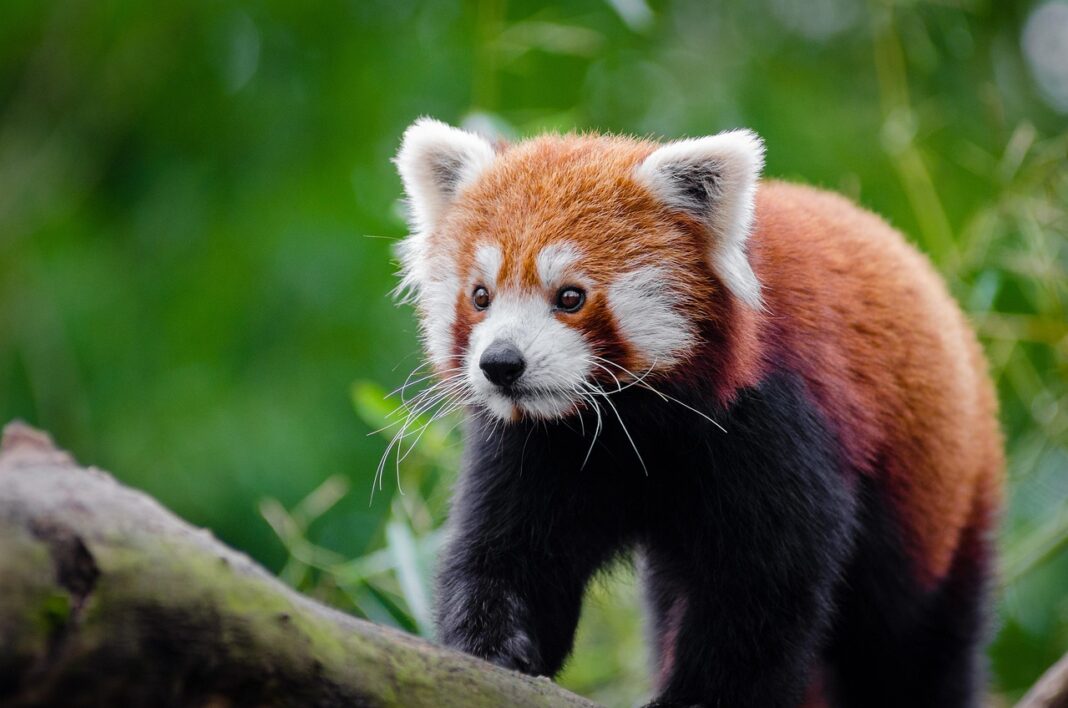

Imagine stepping into a world teeming with life, a vibrant symphony of sounds and colors, where the air is thick with humidity and the ground is alive with activity. This is the rainforest, home to an astounding array of creatures, each playing a vital role in the delicate balance of this extraordinary ecosystem. From the smallest insects to the largest predators, rainforest animals captivate our imaginations and inspire awe. This blog post delves into the fascinating world of rainforest fauna, exploring their unique adaptations, ecological importance, and the threats they face.
A Kaleidoscope of Creatures: Introducing Rainforest Animals
The rainforest is a biodiversity hotspot, housing an estimated half of the world’s plant and animal species. The warm, humid climate and abundant rainfall provide the perfect conditions for life to thrive, leading to an unparalleled diversity of flora and fauna.
What Makes Rainforest Animals Special?
Rainforest animals are uniquely adapted to their environment. The competition for resources is intense, so these animals have evolved incredible strategies for survival.
- Camouflage: Many rainforest animals, like jaguars and chameleons, use camouflage to blend in with their surroundings, either to ambush prey or evade predators.
- Specialized Diets: Toucans, with their large bills, can reach fruits inaccessible to other birds. Anteaters have long, sticky tongues perfect for extracting ants and termites from their nests.
- Arboreal Adaptations: Many rainforest animals, like monkeys and sloths, spend most of their lives in the trees. They have evolved strong limbs, prehensile tails, and other adaptations for climbing and navigating the canopy.
- Nocturnal Behavior: To avoid the heat of the day and competition with diurnal animals, many rainforest species, like owls and bats, are active at night.
Statistical Significance
- Rainforests cover less than 6% of the Earth’s land surface but contain more than half of the world’s plant and animal species.
- A single tree in the Amazon rainforest can host more species of ants than exist in the entire British Isles.
- An estimated 50% of the world’s known plant and animal species live in tropical rainforests.
Iconic Rainforest Inhabitants
Certain animals have become synonymous with the rainforest, capturing our imagination and serving as ambassadors for this vital ecosystem.
Primates of the Rainforest Canopy
Primates are a diverse group of mammals found in rainforests around the world. From the tiny pygmy marmoset to the imposing gorilla, these intelligent creatures play crucial roles in seed dispersal and maintaining forest health.
- Monkeys: Spider monkeys are known for their agility and prehensile tails, while howler monkeys are famous for their loud calls that can be heard for miles.
- Apes: Gorillas, chimpanzees, and orangutans are highly intelligent apes found in the rainforests of Africa and Southeast Asia. They are our closest relatives and face severe threats from habitat loss and poaching.
- Lemurs: Exclusively found in Madagascar’s rainforests, lemurs are a diverse group of primates with unique adaptations.
Amazing Amphibians and Reptiles
Rainforests are home to a dazzling array of amphibians and reptiles, from brightly colored frogs to enormous snakes.
- Poison Dart Frogs: These small frogs are known for their vibrant colors and toxic skin secretions. Indigenous peoples use these toxins to poison their darts for hunting.
- Snakes: Anacondas, boa constrictors, and pythons are large constrictor snakes that prey on a variety of animals, while venomous snakes like the bushmaster and fer-de-lance pose a threat to both animals and humans.
- Chameleons: Masters of camouflage, chameleons can change their skin color to blend in with their surroundings or to communicate with other chameleons.
Birds of Paradise: A Symphony of Color
Rainforests are a paradise for birdwatchers, with a stunning diversity of avian species.
- Toucans: With their enormous, colorful bills, toucans are easily recognizable. They use their bills to reach fruits and attract mates.
- Macaws: These large, colorful parrots are known for their intelligence and playful nature. They are often kept as pets but are increasingly threatened by habitat loss and poaching.
- Hummingbirds: These tiny birds are masters of flight, able to hover in mid-air and fly backwards. They feed on nectar and play an important role in pollinating rainforest flowers.
The Insect World: A Rainforest’s Foundation
While often overlooked, insects are the foundation of the rainforest ecosystem. They play vital roles in pollination, decomposition, and nutrient cycling.
Essential Ecosystem Engineers
Insects are the most diverse group of animals on Earth, and rainforests are their stronghold.
- Ants: From leafcutter ants to army ants, these social insects play a critical role in decomposition and nutrient cycling.
- Beetles: With thousands of different species, beetles are incredibly diverse and perform a variety of functions, from pollinating flowers to breaking down dead wood.
- Butterflies and Moths: These colorful insects are important pollinators and play a vital role in the rainforest food web.
Unique Insect Adaptations
- Camouflage and Mimicry: Many rainforest insects have evolved incredible camouflage and mimicry strategies to avoid predators. Stick insects, for example, resemble twigs, while some butterflies mimic poisonous species.
- Social Behavior: Termites and ants exhibit complex social behavior, living in large colonies with specialized castes.
- Specialized Diets: Many insects have evolved specialized diets, feeding on specific plants or animals.
Rainforest Animal Adaptations to Survive
The rainforest environment demands specialized adaptations for survival.
Predator-Prey Relationships
The rainforest is a constant game of cat and mouse.
- Jaguars: These apex predators have powerful jaws and sharp teeth, allowing them to take down large prey like tapirs and peccaries.
- Harpy Eagles: With their powerful talons, harpy eagles hunt monkeys, sloths, and other arboreal animals.
- Snakes: As mentioned previously, snakes use constriction or venom to subdue their prey.
Surviving the Environment
From torrential rains to intense competition, rainforest animals face numerous environmental challenges.
- Water Repellency: Some animals, like certain birds and insects, have evolved water-repellent feathers or exoskeletons to stay dry in the rainforest’s humid environment.
- Thermoregulation: Animals have adapted to regulate their body temperature in the hot and humid rainforest. Some rely on behavioral adaptations like seeking shade, while others have physiological adaptations like efficient cooling mechanisms.
Threats to Rainforest Animals
The future of rainforest animals is uncertain. Deforestation, climate change, and poaching pose significant threats to their survival.
Deforestation and Habitat Loss
The biggest threat to rainforest animals is habitat loss due to deforestation.
- Agriculture: Forests are cleared for cattle ranching, soybean farming, and other agricultural activities.
- Logging: Unsustainable logging practices destroy vast areas of rainforest, disrupting ecosystems and displacing animals.
- Mining: Mining for minerals and resources also contributes to deforestation and habitat destruction.
Climate Change
Climate change is altering rainforest ecosystems and threatening the survival of many species.
- Increased Temperatures: Rising temperatures can stress animals and alter their behavior.
- Changes in Rainfall Patterns: Altered rainfall patterns can lead to droughts and floods, impacting food availability and habitat suitability.
- Sea Level Rise: Coastal rainforests are particularly vulnerable to sea level rise, which can inundate habitats and displace animals.
Poaching and Illegal Wildlife Trade
Many rainforest animals are targeted by poachers for their meat, skins, or other body parts.
- Hunting for Bushmeat: Hunting for bushmeat is a major threat to many rainforest animals, particularly primates and ungulates.
- Illegal Wildlife Trade: The illegal wildlife trade is a multi-billion dollar industry that threatens the survival of many rainforest species, including parrots, monkeys, and reptiles.
Conclusion
Rainforest animals are an integral part of the Earth’s biodiversity and play a vital role in maintaining the health of our planet. Understanding their unique adaptations, ecological importance, and the threats they face is crucial for effective conservation efforts. By supporting sustainable practices, reducing our carbon footprint, and combating poaching, we can help protect these incredible creatures and ensure that rainforests continue to thrive for generations to come.