

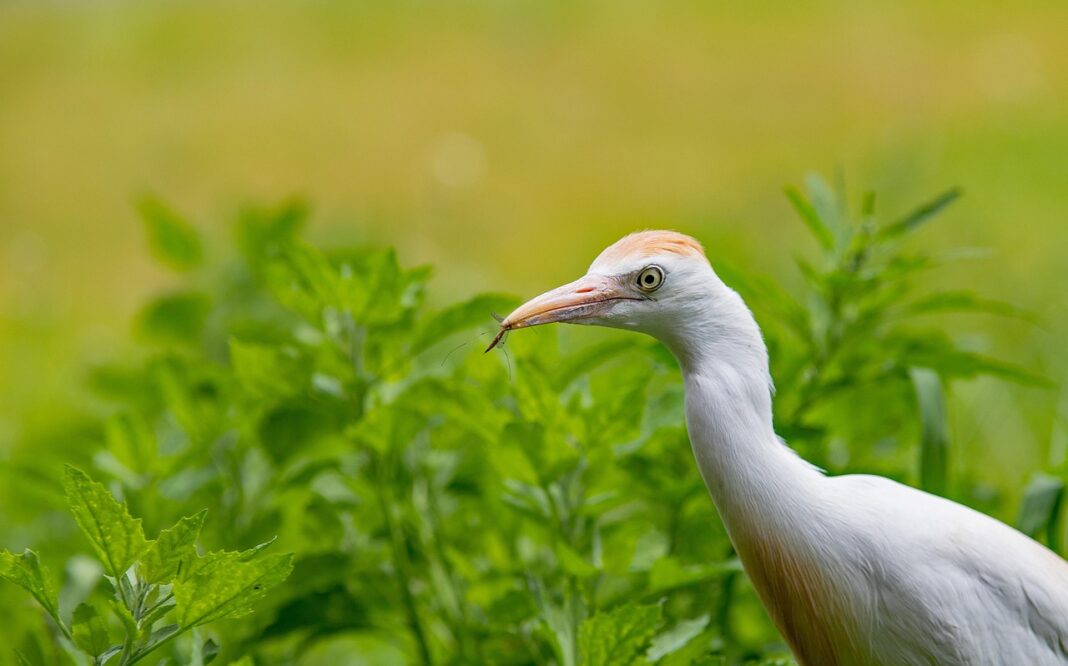

The intricate tapestry of life on Earth is woven from the threads of countless habitats, each a unique and vital ecosystem. From the vibrant coral reefs teeming with marine life to the dense, ancient rainforests echoing with the calls of exotic birds, these environments are the cornerstone of biodiversity and planetary health. Yet, these critical habitats face unprecedented threats, demanding urgent action for habitat preservation. This article delves into the critical importance of protecting these natural spaces, exploring the challenges, strategies, and the collective responsibility we share in safeguarding the future of our planet.
Why Habitat Preservation Matters
The Foundation of Biodiversity
Habitat preservation is fundamentally about protecting biodiversity. A habitat is more than just a geographical location; it’s a complex web of interactions between living organisms and their environment. These interactions support the delicate balance of ecosystems. When a habitat is lost or degraded, the species that depend on it are threatened, leading to population declines and potentially extinction.
- Loss of biodiversity can have cascading effects, impacting food chains, pollination, and nutrient cycling.
- Healthy ecosystems provide essential services such as clean water, carbon sequestration, and climate regulation.
- Example: The destruction of mangrove forests not only eliminates a habitat for numerous species but also removes a natural barrier that protects coastlines from erosion and storm surges.
Ecosystem Services and Human Well-being
The health of our planet’s habitats directly impacts human well-being. Healthy ecosystems provide essential services that we often take for granted. These include:
- Clean air and water: Forests and wetlands filter pollutants and regulate water flow.
- Food and resources: Many communities rely on habitats for food, medicine, and raw materials.
- Climate regulation: Forests and oceans absorb significant amounts of carbon dioxide, helping to mitigate climate change.
- Recreation and tourism: Natural areas provide opportunities for recreation and tourism, contributing to local economies and mental well-being.
- Example: The Amazon rainforest, often called the “lungs of the Earth,” plays a crucial role in regulating global climate patterns and generating oxygen. Its preservation is vital for the health of the entire planet.
Economic Benefits of Conservation
Protecting natural habitats can also make economic sense. Sustainable tourism, fishing practices, and forest management can provide long-term economic benefits to local communities while preserving the environment.
- Ecotourism generates revenue and creates jobs, incentivizing communities to protect natural areas.
- Sustainable fishing practices ensure that fish populations remain healthy, providing a stable source of food and income.
- Careful forest management can provide timber and other forest products without depleting the resource.
- Example: Costa Rica’s commitment to ecotourism has made it a global leader in sustainable tourism, generating significant revenue while protecting its rich biodiversity.
Threats to Habitats
Deforestation
Deforestation, the clearing of forests for agriculture, logging, and urbanization, is a major driver of habitat loss. It destroys the homes of countless species and disrupts ecosystem processes.
- Agriculture is the primary driver of deforestation, especially in tropical regions.
- Logging, both legal and illegal, contributes to forest degradation and habitat fragmentation.
- Urban sprawl encroaches on natural areas, leading to habitat loss and fragmentation.
- Statistic: According to the World Wildlife Fund (WWF), an estimated 18.7 million acres of forest are lost each year, equivalent to 27 soccer fields every minute.
Habitat Fragmentation
Habitat fragmentation occurs when large, continuous habitats are broken up into smaller, isolated patches. This can isolate populations, limit gene flow, and make species more vulnerable to extinction.
- Roads, pipelines, and other infrastructure can fragment habitats, creating barriers to wildlife movement.
- Agricultural expansion can create isolated patches of habitat surrounded by farmland.
- Urban development can further fragment habitats, leading to the isolation of urban green spaces.
- Example: The construction of roads through forests can prevent animals from accessing food, water, and mates, leading to population declines and genetic bottlenecks.
Pollution
Pollution, including air, water, and soil pollution, can severely degrade habitats and harm the species that depend on them.
- Agricultural runoff containing pesticides and fertilizers can pollute waterways, harming aquatic life.
- Industrial emissions can contaminate air and soil, impacting plant and animal health.
- Plastic pollution can accumulate in habitats, harming wildlife and disrupting ecosystems.
- Example: The Great Pacific Garbage Patch is a massive accumulation of plastic debris in the Pacific Ocean, posing a significant threat to marine life.
Climate Change
Climate change is altering habitats around the world, leading to changes in temperature, precipitation, and sea level. These changes can make habitats unsuitable for the species that depend on them.
- Rising sea levels can inundate coastal habitats, such as salt marshes and mangrove forests.
- Changes in temperature and precipitation can alter plant communities, impacting the animals that depend on them.
- Ocean acidification can harm marine organisms, such as corals and shellfish.
- Example: Coral reefs are particularly vulnerable to climate change, as rising ocean temperatures can cause coral bleaching, leading to the death of coral and the loss of habitat for countless marine species.
Strategies for Habitat Preservation
Protected Areas
Establishing and effectively managing protected areas, such as national parks and wildlife reserves, is a key strategy for habitat preservation. These areas provide a refuge for species and help to maintain ecosystem processes.
- National parks protect large areas of natural habitat for the benefit of wildlife and people.
- Wildlife reserves focus on protecting specific species or habitats.
- Community-based conservation areas empower local communities to manage and protect natural resources.
- Example: Yellowstone National Park is one of the largest and most successful protected areas in the world, protecting a vast array of habitats and species, including grizzly bears, wolves, and bison.
Habitat Restoration
Habitat restoration involves restoring degraded or damaged habitats to their former condition. This can involve planting native trees, removing invasive species, and restoring hydrological processes.
- Reforestation projects can restore degraded forests and provide habitat for wildlife.
- Wetland restoration projects can restore hydrological processes and improve water quality.
- Riparian buffer planting can protect waterways from pollution and provide habitat for wildlife.
- Example: The Chesapeake Bay Program is a collaborative effort to restore the Chesapeake Bay, the largest estuary in the United States. The program has involved planting trees, restoring wetlands, and reducing pollution.
Sustainable Land Management
Sustainable land management practices can help to reduce habitat loss and degradation. These practices involve using land in a way that meets the needs of the present without compromising the ability of future generations to meet their own needs.
- Sustainable agriculture practices can reduce soil erosion, water pollution, and habitat loss.
- Sustainable forestry practices can ensure that forests are managed in a way that protects biodiversity and ecosystem services.
- Urban planning that prioritizes green spaces and reduces urban sprawl can help to protect habitats in urban areas.
- Example: Agroforestry, the integration of trees and shrubs into agricultural systems, can provide habitat for wildlife, improve soil health, and increase crop yields.
Policy and Legislation
Strong policies and legislation are essential for habitat preservation. These policies can protect habitats from development, regulate pollution, and promote sustainable land management.
- Endangered species acts protect threatened and endangered species and their habitats.
- Environmental impact assessments require developers to assess the potential impacts of their projects on the environment.
- Land use planning regulations can restrict development in sensitive areas.
- Example: The Endangered Species Act in the United States has been instrumental in protecting numerous species from extinction, including the bald eagle, the gray wolf, and the California condor.
Individual Actions for Habitat Preservation
Reduce Your Environmental Footprint
Reducing your environmental footprint can have a positive impact on habitat preservation. This can involve reducing your consumption of resources, using energy efficiently, and minimizing waste.
- Reduce your consumption of meat, as livestock production is a major driver of deforestation.
- Use energy-efficient appliances and lighting.
- Reduce, reuse, and recycle.
- Support businesses that are committed to sustainability.
Support Conservation Organizations
Supporting conservation organizations can help to fund habitat preservation efforts around the world. These organizations work to protect habitats, restore degraded ecosystems, and educate the public about the importance of conservation.
- Donate to conservation organizations.
- Volunteer your time.
- Advocate for conservation policies.
Educate Yourself and Others
Educating yourself and others about the importance of habitat preservation is essential for creating a more sustainable future. The more people who understand the value of habitats, the more likely we are to protect them.
- Read books and articles about habitat preservation.
- Attend lectures and workshops.
- Talk to your friends and family about the importance of conservation.
- Actionable Takeaway: Start by learning about the native plants and animals in your local area and the threats they face. This knowledge can inspire you to take action to protect them.
Conclusion
Habitat preservation is not just an environmental issue; it is a fundamental requirement for the health and well-being of both people and the planet. By understanding the threats to habitats, implementing effective conservation strategies, and taking individual actions, we can safeguard these vital ecosystems for future generations. The time to act is now, as the future of countless species, and indeed, our own, depends on it. The responsibility falls on each of us to become stewards of the Earth, protecting the precious habitats that sustain life.