

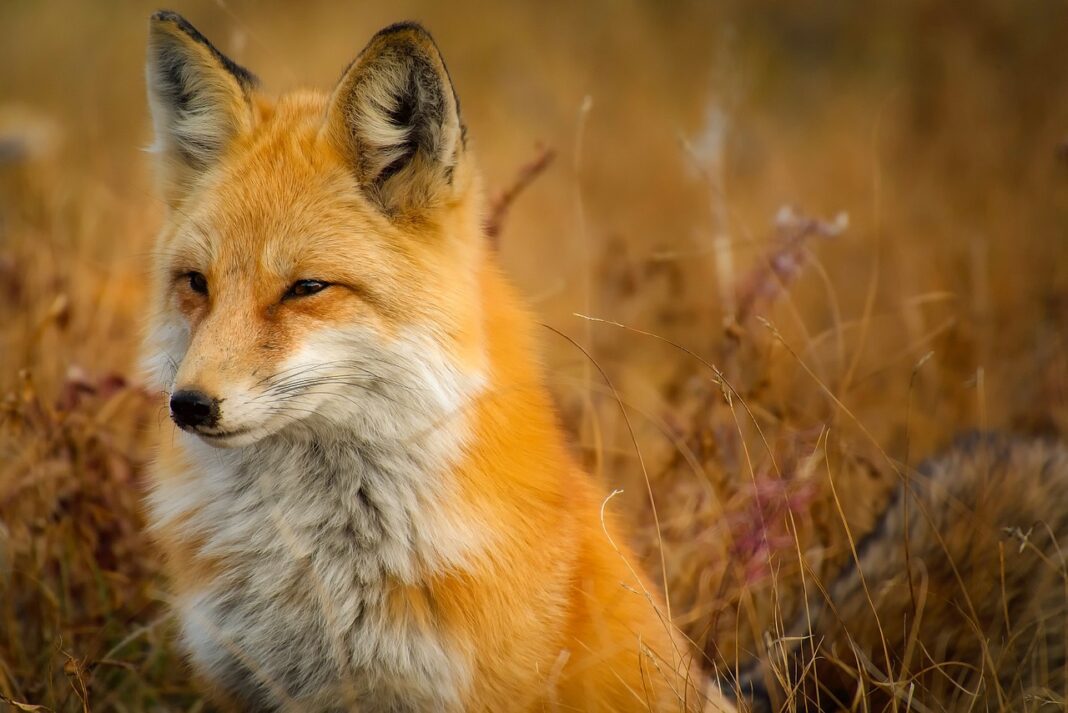

Wildlife, in all its breathtaking diversity, is facing unprecedented threats. From habitat loss and poaching to climate change and pollution, the pressures are immense. Understanding the urgency of wildlife protection and actively participating in conservation efforts is more critical than ever. This blog post delves into the multifaceted aspects of wildlife protection, exploring the challenges, strategies, and ways you can contribute to safeguarding our planet’s incredible biodiversity.
The Importance of Wildlife Protection
Ecological Significance
Wildlife plays a vital role in maintaining the health and stability of ecosystems. Each species, from the smallest insect to the largest mammal, contributes to a complex web of interactions that support life on Earth.
- Pollination: Many plants rely on animals, like bees and birds, for pollination, which is essential for food production.
- Seed Dispersal: Animals disperse seeds, helping plants to colonize new areas and maintain genetic diversity.
- Nutrient Cycling: Wildlife contributes to the cycling of nutrients, ensuring the availability of essential elements for plant growth.
- Predator-Prey Relationships: Predators help regulate populations of herbivores, preventing overgrazing and maintaining the balance of ecosystems. For example, wolves in Yellowstone National Park have been shown to improve the health of the park’s ecosystems by controlling elk populations.
Economic Benefits
Wildlife tourism generates billions of dollars in revenue globally, supporting local communities and economies.
- Ecotourism: National parks and wildlife reserves attract tourists from all over the world, contributing to local economies through lodging, transportation, and souvenirs.
- Recreational Activities: Activities such as birdwatching, hiking, and fishing depend on healthy wildlife populations.
- Sustainable Resource Use: Properly managed wildlife populations can provide sustainable sources of food, medicine, and other resources. For example, sustainable hunting practices can help control populations of certain species while providing food for local communities.
Ethical Considerations
Beyond ecological and economic reasons, there is an ethical imperative to protect wildlife. All species have a right to exist, and we have a responsibility to prevent their extinction.
- Intrinsic Value: Wildlife has intrinsic value, meaning it is valuable in and of itself, regardless of its usefulness to humans.
- Intergenerational Equity: Future generations have the right to inherit a planet with healthy and diverse ecosystems.
- Moral Obligation: As the dominant species on Earth, we have a moral obligation to protect other species from harm.
Threats to Wildlife
Habitat Loss and Fragmentation
Habitat loss is the leading cause of species extinction worldwide. As human populations grow, natural habitats are converted into agricultural land, urban areas, and industrial sites.
- Deforestation: Clearing forests for agriculture, logging, and development destroys habitats and contributes to climate change.
- Urbanization: The expansion of cities and towns encroaches on natural habitats, displacing wildlife and disrupting ecosystems.
- Infrastructure Development: Roads, dams, and pipelines fragment habitats, isolating populations and limiting their access to resources.
- Example: The Amazon rainforest, home to a vast array of species, is being destroyed at an alarming rate, primarily due to deforestation for cattle ranching and agriculture.
Poaching and Illegal Wildlife Trade
Poaching, the illegal hunting of animals, and the illegal wildlife trade are major threats to many species, particularly those with valuable parts, such as elephants, rhinos, and tigers.
- Demand for Wildlife Products: High demand for ivory, rhino horn, and tiger parts fuels poaching and illegal trade.
- Organized Crime: The illegal wildlife trade is often controlled by organized crime syndicates, which operate across borders and exploit weak law enforcement.
- Impact on Populations: Poaching can decimate wildlife populations, driving species to the brink of extinction.
- Example: The African elephant population has declined dramatically in recent decades due to poaching for ivory.
Climate Change
Climate change is altering habitats, disrupting ecosystems, and threatening the survival of many species.
- Rising Temperatures: Rising temperatures can cause shifts in species ranges, disrupt breeding cycles, and increase the risk of wildfires.
- Changes in Precipitation Patterns: Changes in precipitation patterns can lead to droughts and floods, which can damage habitats and reduce food availability.
- Sea Level Rise: Sea level rise threatens coastal habitats, such as mangrove forests and salt marshes, which are important for many species.
- Example: Coral reefs, which are home to a vast array of marine species, are being bleached and killed by rising ocean temperatures.
Pollution
Pollution from industrial, agricultural, and urban sources can contaminate habitats and harm wildlife.
- Chemical Pollution: Pesticides, herbicides, and industrial chemicals can poison wildlife and disrupt their reproductive systems.
- Plastic Pollution: Plastic waste can entangle wildlife, be ingested by animals, and contaminate habitats.
- Noise Pollution: Noise pollution from human activities can disrupt the behavior of wildlife, particularly birds and marine mammals.
- Example: Marine turtles often mistake plastic bags for jellyfish, which can lead to ingestion and death.
Strategies for Wildlife Protection
Habitat Conservation and Restoration
Protecting and restoring habitats is essential for ensuring the survival of wildlife.
- Protected Areas: Establishing national parks, wildlife reserves, and other protected areas can safeguard habitats from development and exploitation.
- Habitat Restoration: Restoring degraded habitats, such as forests and wetlands, can provide important habitat for wildlife.
- Sustainable Land Management: Promoting sustainable land management practices, such as agroforestry and conservation agriculture, can reduce the impact of human activities on wildlife.
- Example: The creation of Yellowstone National Park in 1872 helped protect the area’s unique ecosystems and wildlife populations.
Combating Poaching and Illegal Wildlife Trade
Combating poaching and the illegal wildlife trade requires a multi-faceted approach, including law enforcement, community engagement, and demand reduction.
- Strengthening Law Enforcement: Improving law enforcement capacity to detect and prosecute poachers and wildlife traffickers is crucial.
- Community-Based Conservation: Engaging local communities in conservation efforts can provide them with economic incentives to protect wildlife.
- Demand Reduction Campaigns: Reducing demand for wildlife products can help curb poaching and illegal trade.
- Example: Community-based conservation programs in Africa have helped reduce poaching of elephants and rhinos by providing local communities with alternative livelihoods.
Mitigating Climate Change
Reducing greenhouse gas emissions and adapting to the impacts of climate change are essential for protecting wildlife.
- Reducing Greenhouse Gas Emissions: Transitioning to renewable energy sources, improving energy efficiency, and reducing deforestation can help reduce greenhouse gas emissions.
- Climate Change Adaptation: Implementing adaptation measures, such as restoring coastal wetlands and creating wildlife corridors, can help wildlife cope with the impacts of climate change.
- Research and Monitoring: Monitoring the impacts of climate change on wildlife and conducting research to understand how species are responding is crucial for developing effective conservation strategies.
- Example: Establishing wildlife corridors can help animals migrate to more suitable habitats in response to climate change.
Reducing Pollution
Reducing pollution from industrial, agricultural, and urban sources can help protect wildlife from harmful contaminants.
- Regulation of Pollutants: Implementing and enforcing regulations to limit the release of pollutants into the environment is crucial.
- Sustainable Agriculture: Promoting sustainable agricultural practices, such as reducing pesticide use and implementing buffer zones, can minimize the impact of agriculture on wildlife.
- Waste Management: Improving waste management practices, such as reducing plastic consumption and increasing recycling rates, can help reduce plastic pollution.
- Example: Reducing the use of pesticides in agriculture can help protect pollinators, such as bees and butterflies.
How You Can Help
Support Conservation Organizations
Donate to or volunteer with conservation organizations that are working to protect wildlife.
- Research Organizations: Look into organizations that are known for their dedication to a specific cause and that offer volunteer opportunities.
- Donating: Even small donations can make a big difference in supporting conservation efforts.
Make Sustainable Choices
Reduce your impact on the environment by making sustainable choices in your daily life.
- Reduce Consumption: Reduce your consumption of goods and services that contribute to environmental degradation.
- Eat Sustainably: Choose locally sourced, sustainably produced food.
- Reduce Your Carbon Footprint: Reduce your carbon footprint by using public transportation, biking, or walking instead of driving.
Educate Yourself and Others
Learn more about wildlife conservation and share your knowledge with others.
- Read Books and Articles: Read books and articles about wildlife conservation to learn more about the challenges and solutions.
- Talk to Friends and Family: Talk to your friends and family about the importance of wildlife conservation.
- Support Educational Programs: Support educational programs that teach children about wildlife conservation.
Advocate for Wildlife Protection
Contact your elected officials and urge them to support policies that protect wildlife.
- Write Letters: Write letters to your elected officials urging them to support legislation that protects wildlife.
- Attend Public Meetings: Attend public meetings to voice your support for wildlife conservation.
- Join Advocacy Groups: Join advocacy groups that are working to protect wildlife.
Conclusion
Wildlife protection is not just an environmental issue; it is a moral imperative. By understanding the threats facing wildlife and actively participating in conservation efforts, we can help safeguard our planet’s incredible biodiversity for future generations. From supporting conservation organizations to making sustainable choices in our daily lives, every action counts. Let’s work together to create a world where wildlife thrives.