

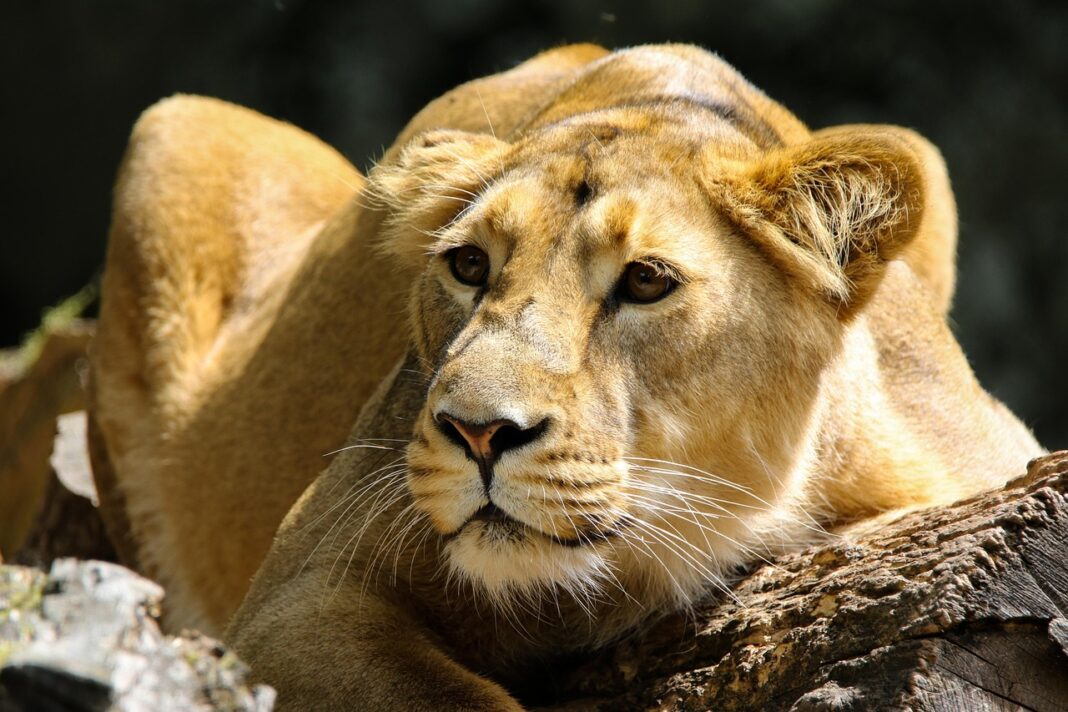

Wildlife documentaries have the power to transport us to the most remote and breathtaking corners of the planet, offering intimate glimpses into the lives of creatures great and small. More than just entertainment, these films serve as vital educational tools, raising awareness about conservation efforts and the urgent need to protect our planet’s biodiversity. From sweeping landscapes to intricate ecosystems, wildlife documentaries capture the beauty and fragility of the natural world in stunning detail, inspiring awe and a deeper connection to the living things around us.
The Allure of Wildlife Documentaries
Escapism and Education Combined
Wildlife documentaries offer a unique blend of escapism and education. They allow viewers to:
- Explore far-off lands without leaving their homes.
- Learn about different species and their habitats.
- Gain a deeper understanding of ecological relationships.
- Be captivated by stunning visuals and compelling storytelling.
Consider the impact of series like “Planet Earth” or “Blue Planet.” These productions meticulously filmed over years, using cutting-edge technology to reveal previously unseen animal behaviors and environments. The sheer scale and beauty captured by such projects contribute to a profound emotional impact on viewers, often sparking a desire to learn more and get involved in conservation.
Emotional Connection and Empathy
By showcasing the lives of individual animals and their struggles, wildlife documentaries foster empathy and emotional connections. Witnessing a mother protecting her young, a herd migrating across vast distances, or an animal facing the challenges of climate change can be deeply moving.
- Stories that highlight individual animals create emotional investment.
- Documentaries showcase the challenges animals face in their daily lives.
- Viewers develop a sense of responsibility towards protecting these creatures and their habitats.
For example, films that follow the journeys of specific animals, such as a migrating whale or a snow leopard family, often resonate strongly with audiences. These narratives personalize the broader issues of conservation and environmental change, making them more relatable and impactful.
The Making of a Wildlife Documentary
The Lengthy Production Process
Creating a compelling wildlife documentary is a time-consuming and challenging process, often involving years of research, filming, and editing.
- Research: Extensive research is crucial to understand the target species, their habitats, and potential filming locations.
- Filming: Filming can take months or even years, requiring specialized equipment, skilled cinematographers, and a great deal of patience.
- Editing: The editing process involves sifting through hundreds of hours of footage to create a cohesive and engaging narrative.
- Sound Design: High-quality sound design enhances the viewing experience, bringing the sounds of the natural world to life.
Productions like “Our Planet” on Netflix exemplify the dedication required. The crew spent thousands of hours in diverse locations, often enduring harsh conditions to capture authentic and breathtaking footage. They also collaborate with scientists and local communities to ensure accuracy and responsible storytelling.
Cutting-Edge Technology
Advances in technology have revolutionized wildlife filmmaking, allowing filmmakers to capture images and sounds that were previously impossible to obtain.
- Drones: Drones provide aerial perspectives and allow filmmakers to capture sweeping landscapes and animal movements from above.
- Remote Cameras: Remote cameras can be placed in remote locations to capture intimate footage of animals without disturbing them.
- Underwater Cameras: Underwater cameras allow filmmakers to explore marine environments and document the lives of aquatic creatures.
- Low-Light Cameras: Low-light cameras capture footage in the dark, revealing the nocturnal behaviors of animals.
The use of high-speed cameras has also allowed viewers to witness behaviors that are too fast for the naked eye, such as the intricate movements of a hummingbird’s wings or the hunting techniques of a predator. This technology not only enhances the visual appeal of documentaries but also provides valuable insights into animal behavior.
The Impact on Conservation
Raising Awareness
One of the most significant benefits of wildlife documentaries is their ability to raise awareness about environmental issues and conservation efforts.
- Documentaries can highlight the threats facing endangered species, such as habitat loss, poaching, and climate change.
- They can showcase the work of conservation organizations and the individuals who are dedicated to protecting wildlife.
- By reaching a wide audience, documentaries can inspire people to take action and support conservation efforts.
Films like “Blackfish” have had a direct impact on public opinion and policy, leading to changes in the way marine parks operate and a greater awareness of the welfare of captive animals. Similarly, documentaries focusing on deforestation and its impact on wildlife have spurred public outcry and calls for sustainable practices.
Inspiring Action
Wildlife documentaries can inspire viewers to take action to protect the environment and support conservation efforts.
- They can encourage people to reduce their carbon footprint, conserve water, and recycle.
- They can inspire people to support conservation organizations and donate to wildlife protection programs.
- They can motivate people to become advocates for environmental policies and sustainable practices.
Many documentaries conclude with actionable steps that viewers can take to make a difference, such as supporting specific organizations, signing petitions, or making lifestyle changes. By providing concrete ways for viewers to get involved, these films empower them to become active participants in conservation efforts.
Notable Wildlife Documentaries
Classic Examples
There are countless exceptional wildlife documentaries available, each offering a unique perspective on the natural world. Some notable examples include:
- Planet Earth (BBC): A visually stunning series that explores the diverse habitats of our planet.
- Blue Planet (BBC): An exploration of the world’s oceans and the creatures that inhabit them.
- Our Planet (Netflix): A visually spectacular series that highlights the impact of climate change on wildlife.
- Winged Migration (Jacques Perrin): A breathtaking film that follows the journeys of migratory birds.
- Microcosmos (Claude Nuridsany and Marie Pérennou): An intimate look at the world of insects.
These documentaries have not only captivated audiences but have also set a high standard for wildlife filmmaking, pushing the boundaries of what is possible in terms of cinematography, storytelling, and scientific accuracy.
Modern Masterpieces
Contemporary wildlife documentaries continue to innovate and inspire, using cutting-edge technology and compelling narratives to engage audiences.
- My Octopus Teacher (Netflix): A moving story about a filmmaker who forms an unlikely friendship with an octopus.
- Free Solo (National Geographic): A nail-biting documentary about a climber’s attempt to free solo El Capitan. While not strictly a wildlife documentary, it showcases the power and beauty of the natural world and the human connection to it.
- Seven Worlds, One Planet (BBC): A series that explores the unique wildlife and landscapes of each of the seven continents.
- David Attenborough: A Life on Our Planet (Netflix): A powerful and personal account of the environmental challenges facing our planet, told by one of the world’s leading natural historians.
These modern documentaries demonstrate the continued relevance and importance of wildlife filmmaking in raising awareness about environmental issues and inspiring action.
Conclusion
Wildlife documentaries play a vital role in fostering a deeper understanding and appreciation for the natural world. Through stunning visuals, compelling narratives, and cutting-edge technology, these films transport us to remote locations and offer intimate glimpses into the lives of animals, fostering empathy and inspiring action. Whether it’s raising awareness about endangered species or showcasing the beauty of our planet, wildlife documentaries have the power to educate, inspire, and ultimately, drive positive change in the way we interact with the environment. By continuing to support and engage with these films, we can contribute to a more sustainable and harmonious future for all living things.