

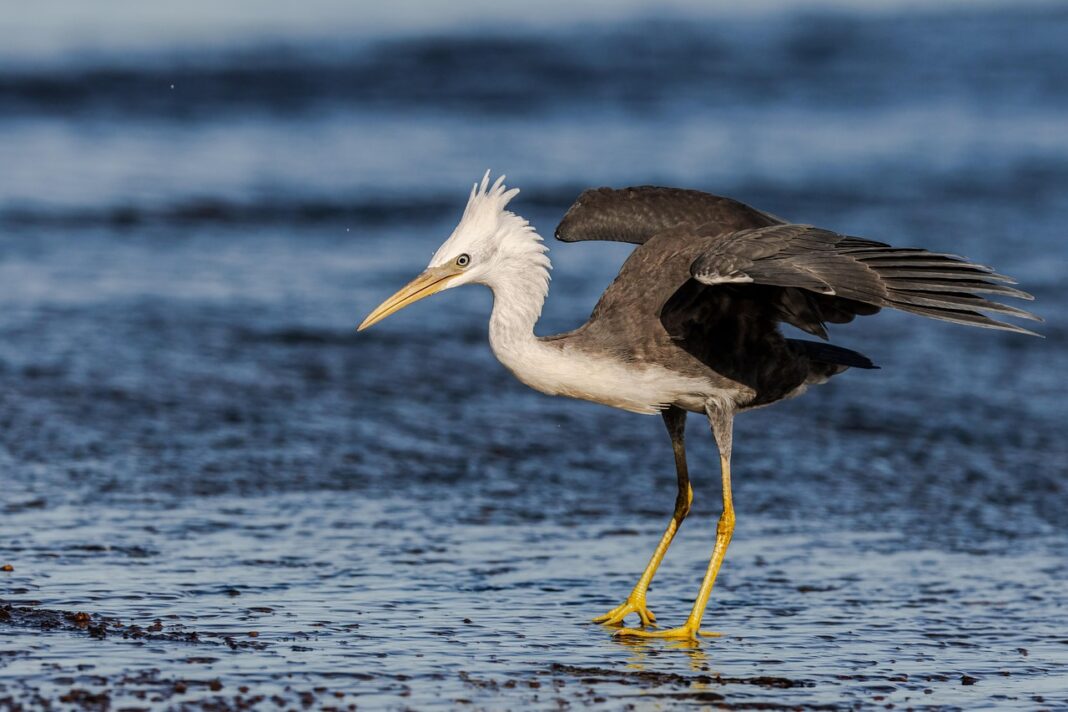

The natural world is a vibrant tapestry woven with countless species, each playing a crucial role in maintaining the delicate balance of our planet’s ecosystems. Sadly, this tapestry is fraying, as an alarming number of species face the threat of extinction. Understanding the causes of endangerment, the devastating consequences of biodiversity loss, and the crucial steps we can take to protect these vulnerable creatures is paramount to securing a healthy future for our planet and all its inhabitants.
Understanding Endangered Species
What Does “Endangered” Really Mean?
The term “endangered species” refers to a species of animal, plant, or other organism that is at risk of extinction. This means that the species’ population has declined to a point where it is no longer sustainable, and without intervention, it could disappear entirely. Different conservation organizations and government agencies use varying criteria to classify species as endangered, but the underlying principle remains the same: a species is endangered when its survival is in serious jeopardy. The IUCN (International Union for Conservation of Nature) Red List is the most comprehensive inventory of the global conservation status of biological species.
Key Factors Contributing to Endangerment
Several interconnected factors contribute to the decline of species populations and their eventual endangerment. These factors often act in synergy, exacerbating the situation. Some of the most significant include:
- Habitat Loss: This is arguably the leading cause of endangerment. As humans develop land for agriculture, urbanization, and resource extraction, natural habitats are destroyed or fragmented, leaving species with insufficient space, food, and shelter. For example, deforestation in the Amazon rainforest directly threatens the survival of countless species, including jaguars, macaws, and countless insects.
- Climate Change: Rapid changes in global temperature and weather patterns are disrupting ecosystems and forcing species to adapt at a rate they cannot sustain. Rising sea levels threaten coastal habitats, while altered precipitation patterns can lead to droughts and wildfires, impacting food sources and breeding grounds.
- Poaching and Illegal Wildlife Trade: The demand for animal parts (like rhino horns, elephant tusks, and tiger skins) and exotic pets fuels illegal hunting and trade, decimating populations. This is a particularly devastating problem for charismatic megafauna.
- Pollution: Chemical pollutants, plastic waste, and noise pollution can all harm species. Pesticides, for example, can poison wildlife and disrupt food chains, while plastic pollution can entangle or be ingested by marine animals.
- Invasive Species: Introduced species can outcompete native species for resources, prey on them, or spread diseases they are not resistant to. The brown tree snake, introduced to Guam, has decimated the island’s native bird populations.
- Overexploitation: Unsustainable hunting, fishing, and harvesting of resources can drive species towards extinction. Overfishing, for example, has led to the collapse of several fish stocks around the world.
The Interconnectedness of Ecosystems
It’s crucial to remember that ecosystems are interconnected, and the loss of one species can have cascading effects throughout the entire system. Consider the role of keystone species – species that have a disproportionately large impact on their environment relative to their abundance. The removal of a keystone predator, like a sea otter, can lead to an explosion in the population of their prey (sea urchins), which can then decimate kelp forests, disrupting the entire marine ecosystem.
The Devastating Consequences of Biodiversity Loss
Ecological Impacts
The loss of endangered species has profound ecological consequences:
- Disrupted Food Chains: The removal of a species can disrupt the delicate balance of food chains, leading to population declines or extinctions of other species.
- Reduced Ecosystem Resilience: Ecosystems with high biodiversity are more resilient to environmental changes. The loss of species weakens these ecosystems, making them more vulnerable to disturbances like climate change and disease outbreaks.
- Impaired Ecosystem Services: Ecosystems provide essential services, such as pollination, water purification, and carbon sequestration. Biodiversity loss can impair these services, impacting human well-being.
- Increased Vulnerability to Invasive Species: Ecosystems with low biodiversity are more susceptible to invasion by non-native species, which can further destabilize the system.
Economic Impacts
Biodiversity loss also has significant economic consequences:
- Reduced Agricultural Productivity: Pollinators, such as bees, are essential for crop production. Declines in pollinator populations can lead to reduced yields and increased food prices.
- Loss of Tourism Revenue: Ecotourism relies on the presence of diverse wildlife. The loss of endangered species can negatively impact tourism revenue, particularly in areas that depend heavily on wildlife viewing.
- Decreased Fisheries Production: Overfishing and habitat destruction have led to the collapse of many fish stocks, impacting the livelihoods of fishermen and the availability of seafood.
- Reduced Access to Genetic Resources: Endangered species may hold valuable genetic resources that could be used to develop new medicines, crops, and other products. The loss of these species represents a loss of potential economic benefits.
Social and Cultural Impacts
The loss of endangered species has social and cultural implications as well:
- Loss of Cultural Heritage: Many endangered species are culturally significant to indigenous communities and other groups. Their loss can represent a loss of cultural identity and traditions.
- Reduced Aesthetic Value: Biodiversity enriches our lives and provides aesthetic value. The loss of endangered species diminishes the beauty and wonder of the natural world.
- Ethical Considerations: Many people believe that we have a moral obligation to protect endangered species from extinction.
Conservation Efforts: Protecting Our Planet’s Treasures
Governmental Regulations and Protected Areas
Governments play a vital role in protecting endangered species through regulations and the establishment of protected areas.
- Endangered Species Act (ESA): In the United States, the ESA provides legal protection to listed endangered and threatened species. It prohibits the “take” of these species (harming, harassing, or killing them) and requires the development of recovery plans.
- CITES (Convention on International Trade in Endangered Species): This international agreement regulates the trade of endangered species and their products to prevent overexploitation.
- National Parks and Wildlife Refuges: These protected areas provide habitat for endangered species and limit human activities that could harm them. Example: Yellowstone National Park provides critical habitat for grizzly bears, wolves, and other endangered species.
Conservation Organizations and Initiatives
Numerous conservation organizations are dedicated to protecting endangered species through research, advocacy, and on-the-ground conservation efforts.
- World Wildlife Fund (WWF): WWF works to conserve biodiversity and reduce humanity’s footprint on the planet.
- The Nature Conservancy: The Nature Conservancy focuses on protecting lands and waters that are critical for biodiversity.
- Wildlife Conservation Society (WCS): WCS conducts scientific research and implements conservation programs around the world.
- Species-Specific Initiatives: Many organizations focus on the conservation of specific endangered species, such as the Save the Elephants or the International Rhino Foundation.
Individual Actions: Making a Difference
Individuals can also play a significant role in protecting endangered species.
- Reduce Your Carbon Footprint: Climate change is a major threat to biodiversity. Reducing your carbon footprint by conserving energy, using public transportation, and eating less meat can help mitigate climate change and protect endangered species.
- Support Sustainable Products: Choose products that are sustainably sourced and do not contribute to habitat destruction or overexploitation of resources.
- Avoid Products Made from Endangered Species: Do not purchase products made from ivory, rhino horn, or other endangered species parts.
- Support Conservation Organizations: Donate to or volunteer with conservation organizations that are working to protect endangered species.
- Educate Yourself and Others: Learn about endangered species and the threats they face, and share your knowledge with others.
- Reduce, Reuse, and Recycle: Reducing waste, reusing items, and recycling can help conserve resources and reduce pollution, benefiting endangered species.
Success Stories: Hope for the Future
Despite the challenges, there are many success stories of species that have been brought back from the brink of extinction through dedicated conservation efforts.
The American Bald Eagle
The American bald eagle, once on the verge of extinction due to pesticide use and habitat loss, has made a remarkable recovery thanks to the Endangered Species Act and other conservation measures. The banning of DDT, a harmful pesticide, and the protection of nesting sites have allowed the eagle population to rebound significantly.
The Gray Wolf
Gray wolves were once hunted to near extinction in the United States. However, reintroduction programs and habitat protection efforts have allowed wolf populations to recover in several states, including Yellowstone National Park.
The Black-Footed Ferret
The black-footed ferret, once thought to be extinct, was rediscovered in Wyoming in 1981. A captive breeding program and reintroduction efforts have helped to reestablish ferret populations in several western states.
Lessons Learned
These success stories demonstrate that conservation efforts can be effective in protecting endangered species. They also highlight the importance of:
- Strong Legal Protections: Laws like the Endangered Species Act provide essential protection for endangered species and their habitats.
- Habitat Restoration: Restoring degraded habitats is crucial for providing suitable living conditions for endangered species.
- Captive Breeding Programs: Captive breeding programs can help to increase populations of critically endangered species and provide individuals for reintroduction efforts.
- Community Involvement: Engaging local communities in conservation efforts is essential for ensuring long-term success.
Conclusion
The plight of endangered species is a stark reminder of the impact humans have on the natural world. Addressing the root causes of endangerment, such as habitat loss, climate change, and illegal wildlife trade, requires a multifaceted approach involving governments, organizations, and individuals. By supporting conservation efforts, making sustainable choices, and advocating for stronger environmental policies, we can all contribute to protecting our planet’s precious biodiversity and ensuring a future where endangered species thrive once again. The time to act is now, before these irreplaceable treasures are lost forever.