

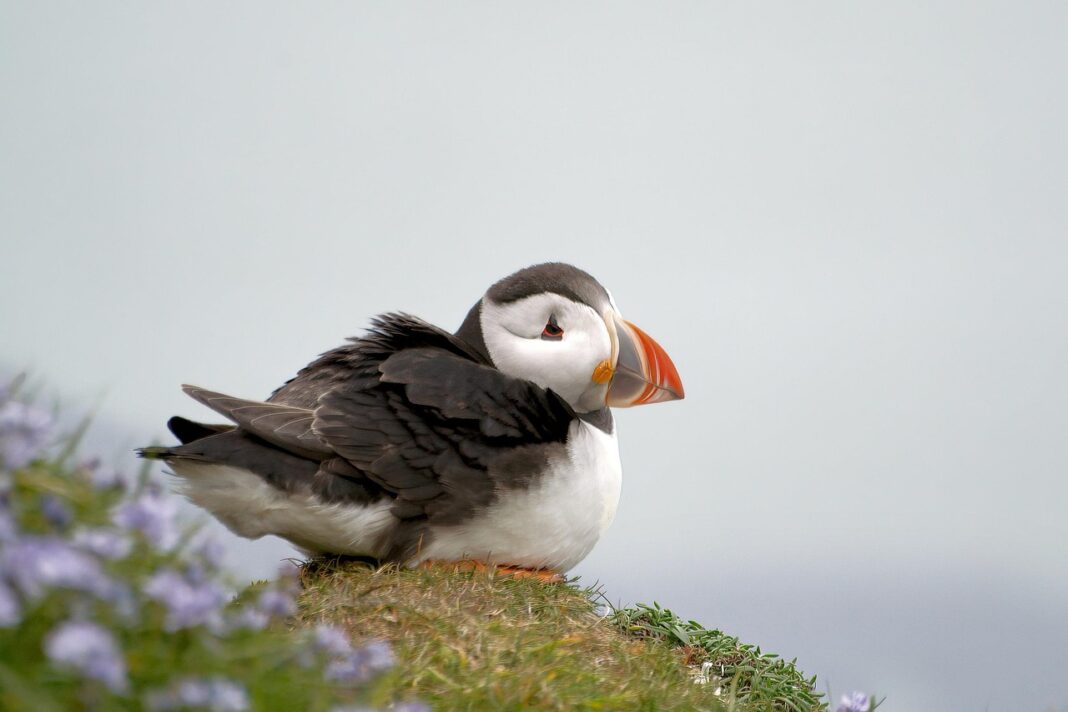

Wildlife research is the cornerstone of conservation efforts, providing the crucial data needed to understand, protect, and manage the world’s diverse animal populations. From tracking endangered species to analyzing the impacts of climate change on ecosystems, wildlife research encompasses a vast array of disciplines and methodologies. This blog post delves into the multifaceted world of wildlife research, exploring its importance, methodologies, challenges, and future directions.
The Importance of Wildlife Research
Understanding Ecosystem Dynamics
Wildlife research is fundamental to understanding how ecosystems function. Animals play critical roles in nutrient cycling, seed dispersal, pollination, and predation, all of which contribute to the overall health and stability of the environment.
- Example: Studying the migratory patterns of birds can reveal important information about the health of wetlands and the availability of food sources along their routes.
- Benefit: Improved understanding of ecological processes allows for more effective conservation strategies.
- Data-Driven Decisions: Research on predator-prey relationships can inform wildlife management decisions, such as setting hunting regulations.
Conservation and Management
Effective conservation strategies rely heavily on data collected through wildlife research. This data informs management plans, habitat restoration efforts, and anti-poaching initiatives.
- Example: Tracking the population size and distribution of endangered species like the Amur leopard allows conservationists to assess the effectiveness of protection measures.
- Statistics: According to the IUCN Red List, over 40,000 species are currently threatened with extinction. Wildlife research plays a crucial role in mitigating these threats.
- Actionable Takeaway: Support organizations involved in wildlife research to contribute to conservation efforts.
Public Health and Zoonotic Diseases
Wildlife research also plays a crucial role in understanding and preventing the spread of zoonotic diseases – diseases that can be transmitted from animals to humans. Monitoring wildlife populations for pathogens can provide early warnings of potential outbreaks.
- Example: Studies on bat populations have been instrumental in understanding the origins and transmission pathways of viruses like Ebola and SARS-CoV-2.
- Benefit: Early detection and prevention of zoonotic diseases can save lives and protect public health.
- Data: Emerging infectious diseases are estimated to cost the global economy billions of dollars annually, highlighting the importance of proactive wildlife research.
Methodologies in Wildlife Research
Field Studies and Observation
Direct observation and field studies are essential for gathering data on animal behavior, habitat use, and population dynamics. These methods often involve spending extended periods of time in the field, observing animals in their natural environment.
- Techniques:
– Camera trapping: Deploying cameras in remote locations to capture images and videos of wildlife.
– Mark-recapture studies: Capturing, marking, and releasing animals to estimate population size.
– Telemetry: Using GPS collars or other tracking devices to monitor animal movements.
- Practical Tip: Before embarking on any field study, researchers must ensure they have the necessary permits and ethical approvals.
- Example: The Yellowstone Wolf Project used telemetry to track the movements of wolves reintroduced to Yellowstone National Park, providing valuable insights into their behavior and impact on the ecosystem.
Laboratory Analysis and Genetic Studies
Laboratory analysis complements field studies by providing insights into animal physiology, genetics, and disease prevalence. Analyzing samples collected from wildlife can reveal important information about their health and genetic diversity.
- Techniques:
– DNA sequencing: Identifying and analyzing genes to understand evolutionary relationships and genetic diversity.
– Stable isotope analysis: Analyzing the ratios of stable isotopes in animal tissues to determine their diet and habitat use.
– Disease screening: Testing samples for the presence of pathogens and parasites.
- Benefit: Genetic studies can help identify populations that are particularly vulnerable to extinction.
- Example: Researchers used genetic analysis to identify distinct populations of grizzly bears in the Greater Yellowstone Ecosystem, informing conservation efforts aimed at maintaining genetic diversity.
Data Analysis and Modeling
Data analysis and modeling are critical for interpreting the data collected in the field and laboratory. Statistical models can be used to identify trends, make predictions, and assess the effectiveness of conservation interventions.
- Techniques:
– Geographic Information Systems (GIS): Mapping and analyzing spatial data on animal distributions and habitat use.
– Population modeling: Using mathematical models to predict population growth and decline.
– Statistical analysis: Applying statistical methods to identify significant relationships between variables.
- Example: Researchers use GIS to map the distribution of suitable habitat for endangered species, helping to prioritize areas for conservation.
- Actionable Takeaway: Learning basic statistical concepts can help you better understand and interpret wildlife research findings.
Challenges in Wildlife Research
Funding Constraints
Wildlife research often faces significant funding constraints, which can limit the scope and duration of studies. Securing funding from government agencies, private foundations, and other sources is a constant challenge for researchers.
- Impact: Limited funding can hinder long-term monitoring efforts and prevent researchers from addressing critical research questions.
- Statistics: A 2020 study found that funding for wildlife research is often disproportionately allocated to charismatic megafauna, while less attention is given to less well-known species.
- Actionable Takeaway: Support organizations that fund wildlife research to help overcome these funding challenges.
Ethical Considerations
Wildlife research must adhere to strict ethical guidelines to minimize harm to animals and ensure the integrity of the research. Researchers must obtain ethical approvals from institutional review boards and follow best practices for handling and studying wildlife.
- Key Principles:
– Minimizing disturbance to animals.
– Using non-invasive methods whenever possible.
– Ensuring animal welfare.
- Example: Researchers who capture and handle animals must be trained in proper techniques to minimize stress and prevent injury.
- Benefit: Ethical research practices help maintain public trust and ensure the long-term sustainability of research efforts.
Logistical Difficulties
Wildlife research often takes place in remote and challenging environments, requiring researchers to overcome logistical difficulties such as transportation, accommodation, and access to equipment. Weather conditions, terrain, and other environmental factors can also pose significant challenges.
- Examples:
– Studying marine mammals in the open ocean requires specialized vessels and equipment.
– Researching wildlife in tropical rainforests involves navigating dense vegetation and dealing with high humidity.
- Practical Tip: Careful planning and preparation are essential for overcoming logistical difficulties in wildlife research.
Future Directions in Wildlife Research
Technological Advancements
Technological advancements are revolutionizing wildlife research, providing researchers with new tools and techniques for studying animals and their environment.
- Examples:
– Drones: Using drones to survey wildlife populations and monitor habitat changes.
– Artificial intelligence: Applying AI to analyze large datasets of wildlife images and sounds.
– Satellite tracking: Using satellite-based GPS tracking to monitor animal movements over long distances.
- Benefit: These technologies enable researchers to collect more data, improve the accuracy of their findings, and reduce the impact of research on animals.
Interdisciplinary Collaboration
Addressing the complex challenges facing wildlife requires interdisciplinary collaboration among researchers from different fields, including biology, ecology, genetics, economics, and social sciences. By working together, researchers can develop more comprehensive and effective conservation strategies.
- Example: Integrating ecological data with economic models to assess the costs and benefits of different conservation interventions.
- Benefit: Interdisciplinary collaboration can lead to more holistic and sustainable solutions to wildlife conservation challenges.
Citizen Science
Citizen science initiatives engage members of the public in wildlife research, providing researchers with valuable data and increasing public awareness of conservation issues. Citizen scientists can contribute to research efforts by reporting wildlife sightings, monitoring bird populations, and collecting data on environmental conditions.
- Examples:
– The Christmas Bird Count, an annual citizen science project that has been running for over a century.
– iNaturalist, a platform that allows users to identify and document plants and animals around the world.
- Actionable Takeaway: Participate in citizen science projects to contribute to wildlife research and conservation efforts.
Conclusion
Wildlife research is essential for understanding, protecting, and managing the world’s diverse animal populations. By employing a range of methodologies, overcoming significant challenges, and embracing technological advancements, researchers continue to provide the critical data needed to inform conservation strategies and safeguard the future of wildlife. Continued investment in wildlife research, coupled with interdisciplinary collaboration and public engagement, is crucial for ensuring a sustainable future for both wildlife and humans.