

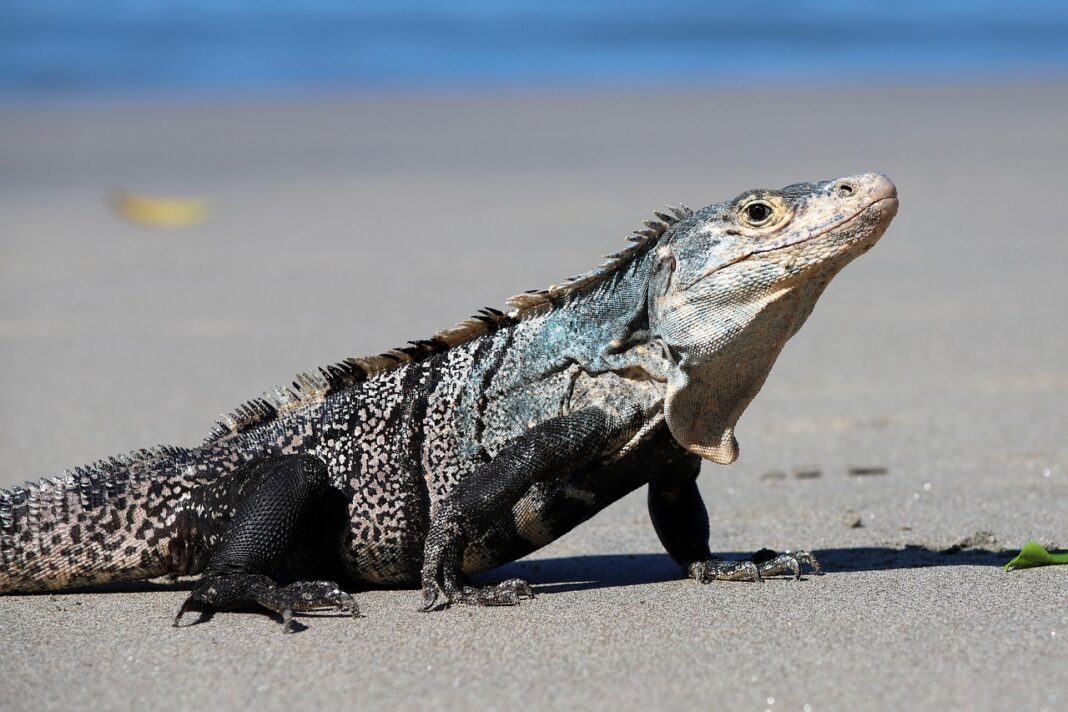

Imagine a world where we understand the intricate lives of animals, their behaviors, and their interactions with the environment. This understanding isn’t just for curiosity; it’s vital for conservation, managing ecosystems, and even preventing disease outbreaks. Wildlife research makes this possible, offering a window into the hidden lives of creatures great and small and providing the scientific basis for sound environmental policies.
Understanding the Scope of Wildlife Research
Wildlife research encompasses a vast array of scientific disciplines, all focused on studying animals in their natural habitats. It’s far more than just observing animals; it’s about rigorous data collection, analysis, and interpretation.
What is Wildlife Research?
- Wildlife research is a broad field focusing on the study of animals in their natural habitats and their interactions with the environment.
- It employs various scientific methodologies to collect data, analyze patterns, and draw conclusions about wildlife populations.
- The goal is to gain a deeper understanding of animal behavior, ecology, physiology, genetics, and conservation needs.
- Research findings inform conservation efforts, policy decisions, and sustainable resource management practices.
Disciplines Involved
Wildlife research draws upon numerous scientific disciplines, including:
- Ecology: Studying the relationships between organisms and their environment.
- Zoology: The branch of biology dealing with animals.
- Veterinary Medicine: Addressing the health and diseases of wildlife.
- Genetics: Analyzing genetic diversity and population structure.
- Statistics: Using statistical methods to analyze data and draw meaningful conclusions.
- Remote Sensing: Utilizing technologies like satellites and drones to monitor wildlife populations and habitats.
The Importance of Data Collection
Accurate and reliable data is the cornerstone of wildlife research. Methods vary depending on the species, habitat, and research questions.
- Observation: Direct observation of animals in their natural environment.
Example: Tracking animal behavior during different seasons to understand migration patterns or breeding habits.
- Tagging and Tracking: Using tags or tracking devices to monitor animal movements.
Example: Attaching GPS collars to wolves to track their movements and understand their territory size and hunting behavior.
- Camera Trapping: Deploying motion-activated cameras to capture images of wildlife.
Example: Using camera traps in dense forests to survey elusive species like leopards or tigers.
- Genetic Sampling: Collecting DNA samples to assess genetic diversity and population structure.
Example: Collecting fecal samples from bears to estimate population size and genetic health.
- Habitat Assessment: Evaluating the quality and availability of habitats for wildlife.
Example: Assessing the vegetation cover and water availability in a wetland to determine its suitability for migratory birds.
The Role of Technology in Wildlife Research
Technology has revolutionized wildlife research, enabling scientists to gather more data, analyze it more efficiently, and gain insights that were previously impossible.
Advancements in Tracking Technology
- GPS Collars: Provide precise location data, allowing researchers to track animal movements in real-time.
Benefit: Detailed movement patterns can be used to understand habitat use, migration routes, and home range size.
Example: Tracking the migration of monarch butterflies across North America.
- Acoustic Monitoring: Recording and analyzing animal sounds to monitor populations and behavior.
Benefit: Non-invasive method for studying vocalizations, communication patterns, and population densities.
Example: Monitoring bat populations by recording their ultrasonic calls.
- Satellite Imagery: Provides a broad-scale view of habitats and landscape changes.
Benefit: Useful for monitoring deforestation, habitat fragmentation, and the impact of climate change on wildlife habitats.
Example: Using satellite imagery to track changes in forest cover and its impact on orangutan populations.
Data Analysis and Modeling
- Geographic Information Systems (GIS): Powerful tools for mapping and analyzing spatial data.
Benefit: Allows researchers to visualize and analyze relationships between wildlife distributions, habitat characteristics, and environmental factors.
Example: Using GIS to identify critical habitat areas for endangered species and plan conservation strategies.
- Statistical Modeling: Sophisticated statistical techniques to analyze data and draw meaningful conclusions.
Benefit: Helps researchers identify patterns, predict population trends, and assess the effectiveness of conservation interventions.
Example: Using statistical models to predict the impact of climate change on the distribution of polar bears.
- Machine Learning: Using algorithms to analyze large datasets and identify patterns that might not be apparent through traditional methods.
Benefit: Automates the identification of animal species in camera trap images and analyzes complex behavioral patterns.
Example: Training a machine learning algorithm to identify different bird species based on their songs.
The Impact of Wildlife Research on Conservation
Wildlife research plays a crucial role in informing conservation efforts and ensuring the long-term survival of species. The knowledge gained through research provides the foundation for effective conservation strategies and policy decisions.
Guiding Conservation Strategies
- Identifying Threats: Research helps identify the primary threats to wildlife populations, such as habitat loss, poaching, and climate change.
Example: Studying the impact of deforestation on primate populations to understand the extent of habitat loss and develop conservation strategies.
- Developing Management Plans: Research provides the data needed to develop effective management plans for protected areas and wildlife populations.
Example: Using research on wolf behavior and population dynamics to develop management plans that minimize conflicts with livestock.
- Evaluating Conservation Interventions: Research is essential for evaluating the effectiveness of conservation interventions and adapting strategies as needed.
Example: Monitoring the population size and reproductive success of reintroduced species to assess the success of reintroduction programs.
Informing Policy Decisions
- Endangered Species Protection: Research provides the scientific basis for listing species as endangered and implementing protection measures.
Example: Using population data and habitat assessments to support the listing of a species under the Endangered Species Act.
- Habitat Conservation: Research informs policy decisions related to habitat conservation, such as the establishment of protected areas and the regulation of land use.
Example: Using research on the ecological value of wetlands to advocate for their protection from development.
- Wildlife Management Regulations: Research provides the scientific basis for wildlife management regulations, such as hunting seasons and bag limits.
* Example: Using population data and harvest rates to set hunting regulations that ensure sustainable wildlife populations.
Practical Example: Sea Turtle Conservation
Sea turtles face numerous threats, including habitat destruction, pollution, and entanglement in fishing gear. Wildlife research has been instrumental in understanding these threats and developing effective conservation strategies.
- Tagging and Tracking: Tracking sea turtles to understand their migration routes, nesting sites, and foraging areas.
- Nest Monitoring: Monitoring nesting beaches to protect nests from predators and human disturbance.
- Bycatch Reduction: Developing fishing gear that reduces the incidental capture of sea turtles.
- Habitat Restoration: Restoring nesting beaches and foraging habitats to improve sea turtle populations.
Challenges and Future Directions in Wildlife Research
Despite the significant advancements in wildlife research, numerous challenges remain. Addressing these challenges and embracing new technologies will be crucial for advancing our understanding of wildlife and ensuring their long-term survival.
Key Challenges
- Funding Limitations: Wildlife research often faces limited funding, which can hinder the scope and duration of studies.
- Accessibility to Remote Areas: Studying wildlife in remote areas can be logistically challenging and expensive.
- Data Collection Difficulties: Collecting data on elusive or endangered species can be difficult and time-consuming.
- Ethical Considerations: Researchers must adhere to strict ethical guidelines to minimize disturbance to wildlife and their habitats.
- Climate Change Impacts: Climate change is altering habitats and affecting wildlife populations in complex ways, making it difficult to predict future trends.
Future Directions
- Artificial Intelligence (AI): AI can analyze large datasets to identify patterns, predict population trends, and automate tasks such as identifying animal species in images and sounds.
- Genomics: Studying the genetic makeup of wildlife populations can provide insights into their evolutionary history, adaptation to changing environments, and vulnerability to diseases.
- Citizen Science: Engaging the public in data collection can greatly expand the scope of wildlife research. Platforms like iNaturalist allow citizen scientists to report sightings of wildlife and contribute to valuable datasets.
- Collaborative Research: Collaboration among researchers, conservation organizations, and government agencies is essential for addressing complex conservation challenges.
Conclusion
Wildlife research is essential for understanding and protecting the natural world. Through rigorous scientific investigation, innovative technologies, and collaborative efforts, we can gain the knowledge needed to conserve wildlife populations, manage ecosystems, and ensure a sustainable future for all. By supporting wildlife research, we invest in a future where both humans and animals can thrive.