

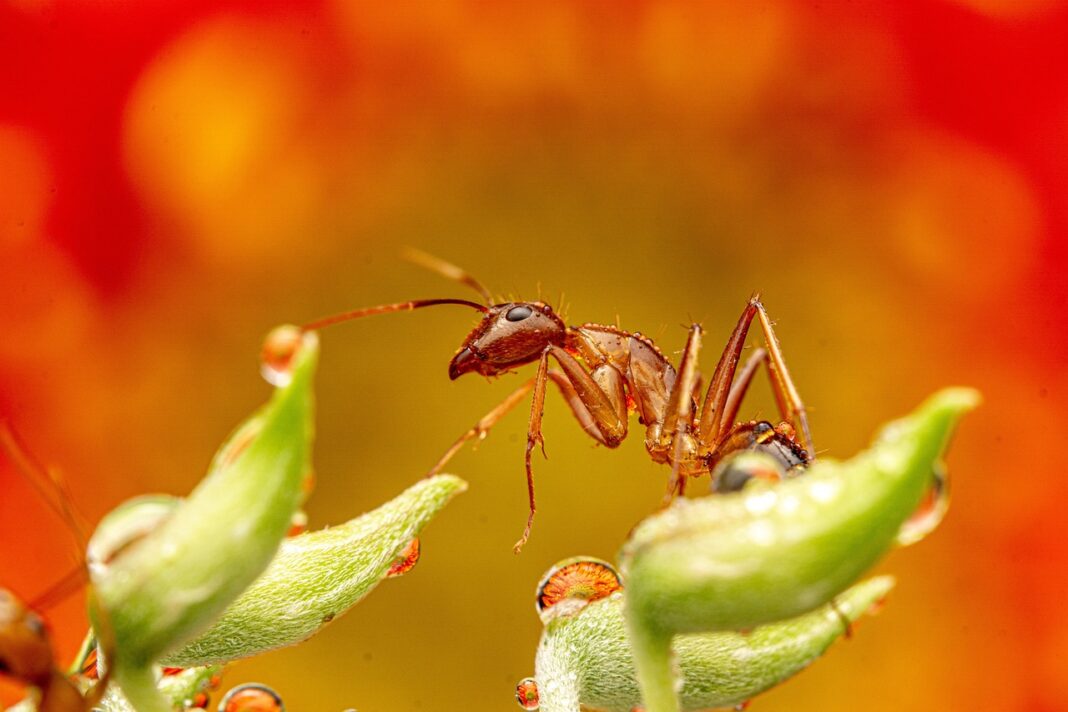

Biodiversity, the incredible variety of life on Earth, is far more than just a beautiful concept. It’s the very foundation of our ecosystems, our economies, and our well-being. From the smallest microbe to the largest whale, every organism plays a vital role in the intricate web of life. Understanding and protecting biodiversity is crucial for ensuring a sustainable future for ourselves and generations to come.
What is Biodiversity?
Defining Biodiversity
Biodiversity, short for biological diversity, encompasses the variety of life at all levels of biological organization, from genes to ecosystems, and the ecological and evolutionary processes that sustain it. It’s not just about the number of species; it also includes the genetic variation within species and the diversity of ecosystems they inhabit.
Levels of Biodiversity
Biodiversity can be categorized into three main levels:
- Genetic diversity: The variation of genes within a species. This allows populations to adapt to changing environments and is crucial for long-term survival. For example, different breeds of dogs or varieties of apples showcase genetic diversity within a single species.
- Species diversity: The variety of species in a given area. This is the most commonly recognized form of biodiversity. Tropical rainforests, with their immense species richness, are prime examples.
- Ecosystem diversity: The variety of ecosystems in a region or the world. This includes the different habitats, ecological communities, and ecological processes. Examples include forests, grasslands, coral reefs, and deserts, each with its unique set of interacting species.
The Importance of Biodiversity
Ecosystem Services
Biodiversity provides us with numerous ecosystem services that are essential for human survival and well-being. These services are often taken for granted, but their value is immense.
- Pollination: Bees, butterflies, and other insects pollinate crops, ensuring food production. Without them, our food supply would be severely threatened.
- Clean air and water: Forests and wetlands filter air and water, providing us with clean resources. For example, mangroves protect coastlines and filter pollutants from entering the ocean.
- Climate regulation: Forests absorb carbon dioxide, helping to regulate the global climate. Deforestation contributes significantly to climate change.
- Nutrient cycling: Decomposers break down organic matter, releasing nutrients back into the soil, which supports plant growth.
- Food security: Diverse ecosystems provide a variety of food sources, reducing our dependence on a limited number of crops.
Economic Benefits
Biodiversity also has significant economic benefits. Many industries rely on natural resources derived from diverse ecosystems.
- Agriculture: A wide variety of crops and livestock breeds are essential for food security and economic stability.
- Tourism: Ecotourism relies on the beauty and diversity of natural environments. Destinations like the Amazon rainforest and the Great Barrier Reef attract millions of tourists each year.
- Pharmaceuticals: Many medicines are derived from natural compounds found in plants and animals. Biodiversity provides a rich source of potential new drugs. For example, aspirin was originally derived from the bark of willow trees.
- Fisheries: Healthy marine ecosystems support fisheries, providing food and livelihoods for millions of people.
Intrinsic Value
Beyond its utilitarian value, biodiversity also has intrinsic value. Many people believe that every species has a right to exist, regardless of its usefulness to humans. This ethical perspective underscores the importance of conservation for its own sake.
Threats to Biodiversity
Habitat Loss and Degradation
Habitat loss and degradation are the leading threats to biodiversity. As human populations grow and demand for resources increases, natural habitats are converted to agricultural land, urban areas, and industrial sites.
- Deforestation: The clearing of forests for timber, agriculture, and other purposes destroys habitats and releases carbon dioxide into the atmosphere. The Amazon rainforest is being deforested at an alarming rate.
- Urban sprawl: The expansion of urban areas encroaches on natural habitats and fragments ecosystems.
- Agricultural intensification: The use of pesticides, fertilizers, and monoculture farming practices can degrade soil and water quality, harming biodiversity.
Climate Change
Climate change is another major threat to biodiversity. Rising temperatures, changing precipitation patterns, and extreme weather events are altering ecosystems and forcing species to adapt or migrate. Many species are unable to adapt quickly enough, leading to population declines and extinctions.
- Coral bleaching: Rising ocean temperatures cause corals to expel their symbiotic algae, leading to coral bleaching and the death of coral reefs.
- Shifting species ranges: As temperatures rise, species are shifting their ranges towards the poles or higher altitudes. This can disrupt ecosystems and lead to competition between native and invasive species.
- Ocean acidification: The absorption of carbon dioxide by the ocean is causing it to become more acidic, which threatens marine organisms that build shells and skeletons.
Invasive Species
Invasive species are plants, animals, or other organisms that are introduced to a new environment and outcompete native species. They can disrupt ecosystems, spread diseases, and cause economic damage.
- Example: The zebra mussel, introduced to the Great Lakes in North America, has outcompeted native mussels and caused significant economic damage to water infrastructure.
- Spread by: Invasive species are often spread by human activities, such as shipping, trade, and tourism.
Pollution
Pollution, including air, water, and soil pollution, can have devastating effects on biodiversity. Pollutants can directly harm organisms or disrupt ecosystems.
- Plastic pollution: Plastic waste is accumulating in oceans and other ecosystems, harming marine animals and other wildlife.
- Pesticides: Pesticides can kill non-target species, such as bees and butterflies, and contaminate water sources.
- Air pollution: Air pollution can damage forests and other ecosystems, and contribute to respiratory problems in humans and animals.
Conserving Biodiversity
Protected Areas
Establishing and managing protected areas, such as national parks and nature reserves, is a key strategy for conserving biodiversity. Protected areas provide habitat for wildlife and allow ecosystems to function naturally.
- Effectiveness: Well-managed protected areas can be highly effective at conserving biodiversity.
- Challenges: Protected areas can be threatened by poaching, illegal logging, and other activities.
Sustainable Resource Management
Sustainable resource management involves using natural resources in a way that meets the needs of the present without compromising the ability of future generations to meet their own needs.
- Sustainable forestry: Managing forests in a way that maintains biodiversity and ecosystem services.
- Sustainable fisheries: Managing fisheries to prevent overfishing and protect marine ecosystems.
- Sustainable agriculture: Using farming practices that minimize environmental impacts and promote biodiversity.
Restoration Ecology
Restoration ecology involves restoring degraded ecosystems to their natural state. This can involve replanting forests, restoring wetlands, and removing invasive species.
- Benefits: Restoration can improve water quality, enhance biodiversity, and provide habitat for wildlife.
- Examples: Restoration projects are underway around the world, including efforts to restore the Everglades in Florida and the Rhine River in Europe.
Individual Actions
Individuals can also play a role in conserving biodiversity by making sustainable choices in their daily lives.
- Reduce your carbon footprint: Drive less, use public transportation, and conserve energy.
- Eat sustainably: Choose locally grown, organic food and reduce your consumption of meat.
- Reduce waste: Recycle, compost, and reduce your use of single-use plastics.
- Support conservation organizations: Donate to or volunteer with organizations that are working to protect biodiversity.
- Educate yourself and others: Learn more about biodiversity and share your knowledge with others.
Conclusion
Biodiversity is not just a concept; it’s the life support system of our planet. Protecting and conserving biodiversity is essential for our survival and well-being. By understanding the importance of biodiversity, recognizing the threats it faces, and taking action to conserve it, we can ensure a sustainable future for ourselves and future generations. The responsibility lies with governments, organizations, and individuals alike to prioritize biodiversity conservation and integrate it into all aspects of our lives. Let’s all do our part to protect the incredible diversity of life on Earth.