

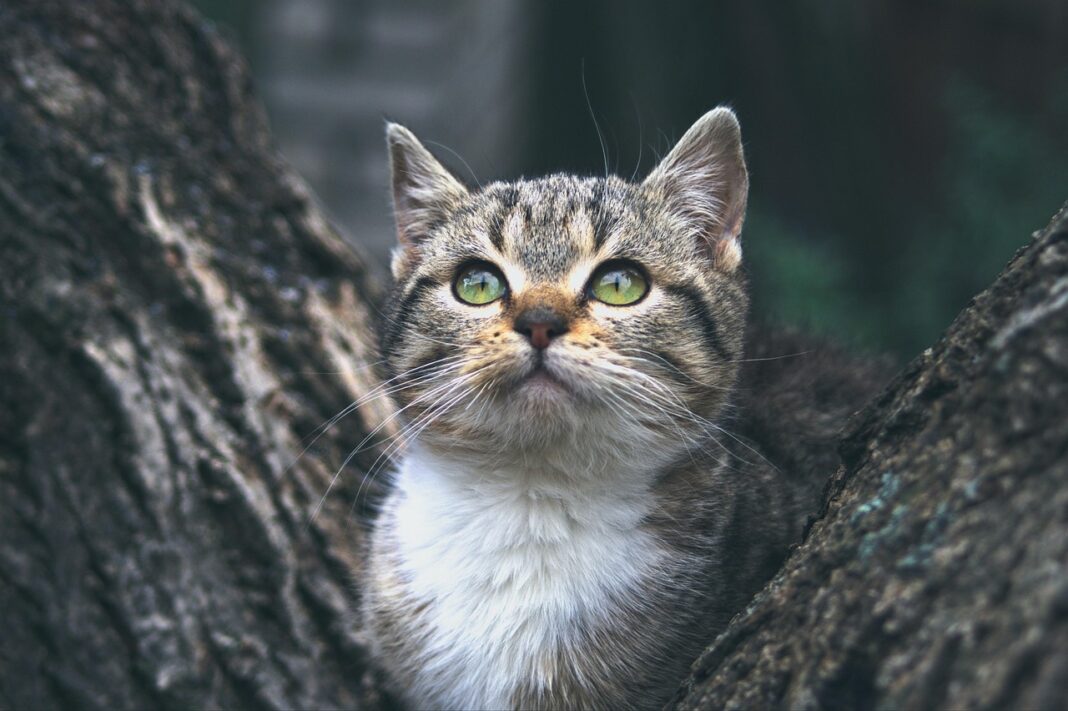

Maintaining a clean and healthy pet goes beyond just cuddles and playtime. Regular pet grooming is an essential aspect of responsible pet ownership, contributing significantly to your furry friend’s overall well-being. From preventing painful matting to detecting early signs of skin conditions, a consistent grooming routine is an investment in your pet’s happiness and longevity. This guide will delve into the various facets of pet grooming, providing you with practical tips and expert advice to keep your companion looking and feeling their best.
The Importance of Regular Pet Grooming
Pet grooming isn’t just about aesthetics; it’s crucial for your pet’s health and comfort. Neglecting grooming can lead to a variety of problems, from minor irritations to serious health issues.
Health Benefits of Grooming
- Early Detection of Health Issues: Grooming provides an opportunity to thoroughly examine your pet for any lumps, bumps, skin irritations, or parasites. Detecting these issues early can significantly improve treatment outcomes. For example, during a grooming session, you might notice a small, hard lump that would have otherwise gone unnoticed, prompting a vet visit and early diagnosis of a potential problem.
- Prevention of Matting and Skin Problems: Matted fur can be incredibly painful for pets, pulling on their skin and creating a breeding ground for bacteria and parasites. Regular brushing prevents matting, allowing air to circulate and keeping the skin healthy. Specific breeds, like Persians or Poodles, are particularly prone to matting.
- Parasite Control: Grooming allows for the detection and removal of fleas, ticks, and other parasites. Bathing with appropriate shampoos and using flea combs can help control infestations. A flea infestation can lead to anemia and other health problems if left untreated.
- Improved Circulation: Brushing stimulates blood flow to the skin, promoting a healthy coat and overall well-being. The massage-like action of brushing can also be quite relaxing for your pet.
- Nail Health: Regular nail trimming prevents overgrowth, which can lead to pain, difficulty walking, and even infections. Overgrown nails can curl and grow into the paw pads, requiring veterinary intervention.
Behavioral Benefits of Grooming
- Bonding Opportunity: Grooming sessions can be a wonderful bonding experience for you and your pet. The gentle touch and focused attention can strengthen your relationship.
- Reduced Anxiety: For some pets, grooming can be a relaxing and calming experience, especially when introduced gradually and paired with positive reinforcement.
- Acclimation to Handling: Regular grooming helps pets become more comfortable with being handled, which is essential for vet visits and other necessary procedures.
Essential Grooming Tools and Supplies
Having the right tools is crucial for effective and comfortable grooming. Investing in quality tools will make the process easier and more enjoyable for both you and your pet.
Brushes and Combs
- Slicker Brush: Ideal for removing mats and tangles, especially in long-haired breeds. Look for one with coated tips to prevent skin irritation.
- Undercoat Rake: Designed to remove loose undercoat, which is essential for preventing shedding and matting. This is particularly useful for breeds like Huskies and German Shepherds.
- Bristle Brush: Great for smoothing the coat and distributing natural oils, leaving it shiny and healthy.
- Comb: Essential for detecting fleas and working through small mats and tangles. Choose a comb with fine and wide-spaced teeth.
Bathing Supplies
- Pet Shampoo: Use a shampoo specifically formulated for pets. Human shampoos can be too harsh and disrupt their skin’s pH balance. Look for shampoos that address specific needs, such as oatmeal shampoo for sensitive skin or medicated shampoo for skin conditions.
- Conditioner: Helps to detangle and moisturize the coat, leaving it soft and manageable.
- Towels: Have plenty of absorbent towels on hand for drying your pet after their bath. Microfiber towels are a good option.
- Non-Slip Mat: Placing a non-slip mat in the tub or sink will help your pet feel more secure and prevent accidents.
Nail Trimming Tools
- Nail Clippers: Choose either scissor-type or guillotine-type clippers, depending on your comfort level. Ensure they are sharp to prevent splitting the nail.
- Styptic Powder: Keep styptic powder on hand to stop bleeding if you accidentally cut the quick (the pink part of the nail that contains blood vessels and nerves).
- Nail Grinder: An alternative to clippers, a nail grinder allows you to gradually shorten the nails without the risk of cutting the quick.
Other Essential Supplies
- Ear Cleaner: Use a pet-specific ear cleaner to remove wax and debris from the ears, helping to prevent infections.
- Toothbrush and Toothpaste: Regular teeth brushing is essential for maintaining your pet’s oral health. Never use human toothpaste, as it contains ingredients that are toxic to pets.
- Grooming Table (Optional): A grooming table provides a stable and comfortable surface for grooming, especially for larger breeds.
- Treats: Use treats to reward your pet for good behavior during grooming sessions, creating a positive association.
Step-by-Step Pet Grooming Guide
Establishing a routine and following a structured approach will make grooming easier and more effective. Remember to be patient and gentle, especially if your pet is new to grooming.
Brushing Techniques
- Start with a thorough brush: Begin by using a slicker brush or undercoat rake to remove loose fur, mats, and tangles. Work in sections, starting at the head and moving down the body.
- Follow with a bristle brush: Use a bristle brush to smooth the coat and distribute natural oils. This will leave your pet’s fur looking shiny and healthy.
- Pay attention to problem areas: Focus on areas prone to matting, such as behind the ears, under the legs, and around the tail.
- Frequency: Brush your pet several times a week, or daily for long-haired breeds.
Bathing Your Pet
- Prepare the bathing area: Gather your supplies and set up the bathing area. Ensure the water is lukewarm and not too hot or cold.
- Wet your pet thoroughly: Use a handheld showerhead or a cup to wet your pet’s coat completely.
- Apply shampoo: Massage the shampoo into your pet’s coat, working from head to tail. Avoid getting shampoo in their eyes and ears.
- Rinse thoroughly: Rinse your pet thoroughly until all traces of shampoo are gone. Residual shampoo can cause skin irritation.
- Apply conditioner (optional): If using conditioner, apply it after rinsing the shampoo and leave it on for a few minutes before rinsing again.
- Dry your pet: Use towels to absorb as much water as possible. You can also use a pet-specific dryer on a low setting, but be careful not to overheat their skin.
- Frequency: Bathe your pet only when necessary, typically every few months, unless they get particularly dirty or have a skin condition that requires more frequent bathing. Over-bathing can strip their coat of natural oils.
Nail Trimming
- Acclimate your pet to nail handling: Before you start trimming, get your pet used to having their paws handled. Gently massage their paws and touch their nails.
- Identify the quick: The quick is the pink part of the nail that contains blood vessels and nerves. Avoid cutting into the quick, as this will cause pain and bleeding.
- Trim the nails gradually: Trim small pieces of the nail at a time, working your way back from the tip. If you are using a nail grinder, gently grind the nails down, being careful not to overheat them.
- Stop bleeding if necessary: If you accidentally cut the quick, apply styptic powder to stop the bleeding.
- Frequency: Trim your pet’s nails every few weeks, or when you hear them clicking on the floor.
Ear Cleaning
- Inspect the ears: Regularly check your pet’s ears for signs of redness, discharge, or odor, which could indicate an infection.
- Apply ear cleaner: Gently squeeze a small amount of ear cleaner into your pet’s ear canal.
- Massage the base of the ear: Massage the base of the ear to help loosen debris.
- Wipe away debris: Use a cotton ball or gauze pad to wipe away any debris that comes to the surface. Never use cotton swabs, as they can push debris further into the ear canal.
- Frequency: Clean your pet’s ears once or twice a month, or as needed.
Dental Care
- Brush your pet’s teeth: Use a pet-specific toothbrush and toothpaste to brush your pet’s teeth daily, if possible. Focus on the outer surfaces of the teeth.
- Provide dental chews: Dental chews can help to remove plaque and tartar buildup.
- Schedule professional dental cleanings: Regular professional dental cleanings are essential for maintaining your pet’s oral health. Your veterinarian can recommend a cleaning schedule based on your pet’s individual needs.
- Frequency: Brush your pets teeth daily, and consider veterinary dental cleanings annually.
Breed-Specific Grooming Needs
Different breeds have different coat types and grooming requirements. Researching your breed’s specific needs is essential for providing proper care.
Long-Haired Breeds (e.g., Persian, Maltese)
- Require daily brushing to prevent matting.
- May need professional grooming every few weeks.
- Prone to tear staining, so regular cleaning around the eyes is necessary.
- Example: A Persian cat requires meticulous daily brushing to prevent painful matting of their long, luxurious fur.
Short-Haired Breeds (e.g., Labrador Retriever, Beagle)
- Require less frequent brushing than long-haired breeds.
- Benefit from occasional baths to remove loose fur.
- Prone to shedding, so a deshedding tool can be helpful.
- Example: Labrador Retrievers shed considerably, especially during seasonal changes, making an undercoat rake a valuable grooming tool.
Wire-Haired Breeds (e.g., Wire Fox Terrier, Scottish Terrier)
- Require hand-stripping to maintain their coat’s texture and color.
- Hand-stripping involves removing dead hairs by hand, rather than cutting them.
- Benefit from regular brushing to remove loose fur.
- Example: Wire Fox Terriers benefit greatly from hand-stripping, a technique best performed by a professional groomer to maintain the unique texture of their coat.
Poodle and Poodle Mixes (e.g., Goldendoodle, Labradoodle)
- Require regular brushing and professional grooming to prevent matting.
- Their curly coats are prone to tangling.
- May require specialized haircuts to maintain their coat’s health and appearance.
- Example: Goldendoodles, known for their hypoallergenic coats, require frequent brushing and professional grooming every 6-8 weeks to prevent matting.
Conclusion
Regular pet grooming is an integral part of responsible pet ownership. By understanding the importance of grooming, investing in the right tools, following a structured routine, and considering your pet’s specific needs, you can help them stay healthy, comfortable, and happy. Remember to be patient, gentle, and consistent, and always consult with your veterinarian or a professional groomer if you have any questions or concerns. Consistent grooming will not only keep your pet looking their best but will also strengthen the bond you share.