

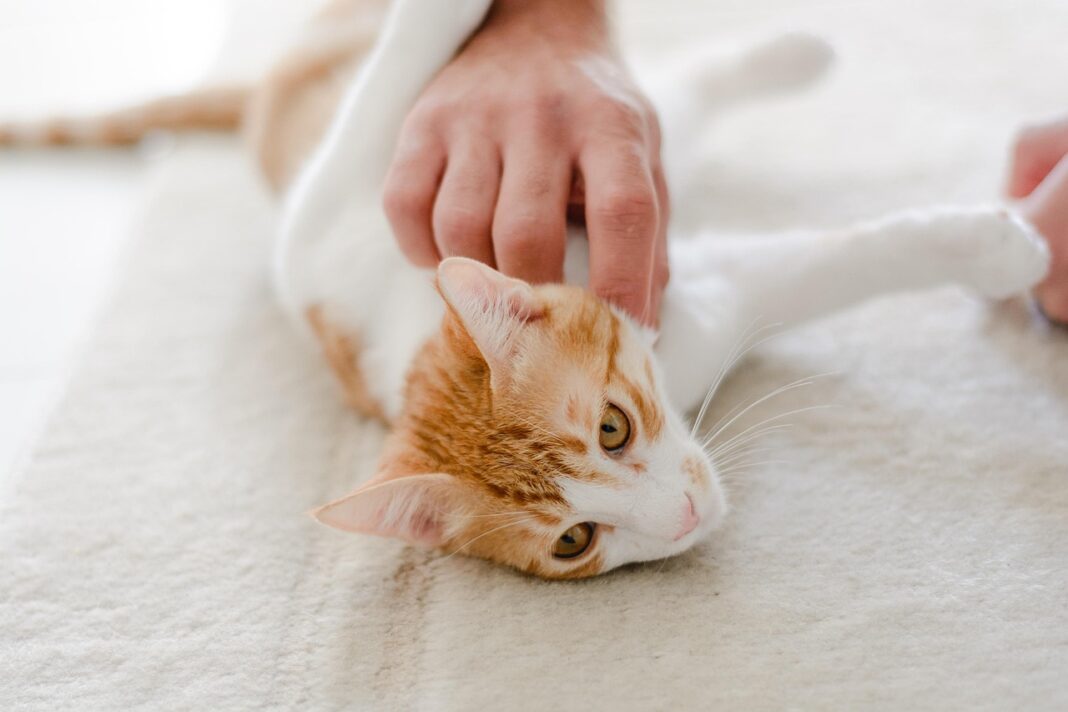

Training your furry friend is more than just teaching them to sit and stay; it’s about building a strong, loving bond and ensuring a harmonious life together. Whether you’ve just welcomed a new puppy into your home or are looking to refine the skills of your seasoned companion, understanding effective pet training techniques is essential. This guide will provide you with practical tips and strategies to help you on your journey to a well-behaved and happy pet.
Understanding Positive Reinforcement
What is Positive Reinforcement?
Positive reinforcement is a training method that focuses on rewarding desired behaviors to encourage their repetition. It’s a gentle, effective, and humane approach that avoids punishment and instead uses treats, praise, or toys to motivate your pet.
- Key Principle: Reward good behavior, ignore unwanted behavior (unless it’s harmful, in which case redirect).
- Benefits: Builds a positive relationship, reduces fear and anxiety, and promotes faster learning.
How to Use Positive Reinforcement Effectively
Example: A dog motivated by food might respond well to small pieces of chicken or cheese. A cat might prefer a specific toy or gentle petting.
Essential Commands and Training Techniques
Sit, Stay, Come: The Foundation of Obedience
These three commands are fundamental to pet training and safety.
Troubleshooting: If your pet jumps up, try holding the treat lower to the ground.
Troubleshooting: If your pet breaks the stay, start over with a shorter duration.
Troubleshooting: Never use the “Come” command as a punishment, as this will discourage your pet from coming to you in the future.
Leash Training and Walking Manners
Leash training is crucial for safe and enjoyable walks.
* Tip: Change directions frequently to keep your pet engaged and focused on you.
Addressing Common Behavior Problems
Dealing with Chewing and Destructive Behavior
Chewing is a natural behavior for puppies and dogs, but it can become destructive if not managed properly.
- Provide Appropriate Chew Toys: Offer a variety of chew toys in different textures and materials to satisfy your pet’s chewing instincts.
- Redirect Destructive Chewing: If you catch your pet chewing on something they shouldn’t, redirect them to an appropriate chew toy.
- Supervision and Management: Supervise your pet, especially during puppyhood, and keep valuable items out of reach.
Managing Excessive Barking
Excessive barking can be frustrating for owners and neighbors.
- Identify the Cause: Determine why your pet is barking (e.g., boredom, anxiety, territoriality).
- Provide Enrichment: Offer plenty of exercise, mental stimulation, and interactive toys to reduce boredom and anxiety.
- Train a “Quiet” Command: Teach your pet a “Quiet” command by rewarding them when they stop barking.
- Consult a Professional: If the barking is severe or related to anxiety, consider consulting a veterinarian or certified behaviorist.
Overcoming Separation Anxiety
Separation anxiety can manifest as destructive behavior, excessive barking, or inappropriate elimination when your pet is left alone.
- Gradual Desensitization: Gradually increase the amount of time your pet is left alone, starting with just a few minutes.
- Create a Safe and Comfortable Space: Provide a comfortable bed, toys, and a familiar scent (e.g., a worn t-shirt) in their designated area.
- Avoid Dramatic Departures and Arrivals: Keep your departures and arrivals calm and low-key.
- Consider Professional Help: For severe cases, consult a veterinarian or certified behaviorist for guidance and possible medication options.
Advanced Training and Mental Stimulation
Trick Training: Beyond the Basics
Trick training is a fun and engaging way to strengthen your bond with your pet and provide mental stimulation.
- Start with Simple Tricks: Begin with easy tricks like “shake,” “roll over,” or “play dead.”
- Break Down Complex Tricks: Divide complex tricks into smaller, more manageable steps.
- Use a Clicker: A clicker can be a valuable tool for marking the exact moment of the desired behavior.
- Keep it Fun: Keep training sessions short, positive, and enjoyable for both you and your pet.
Puzzle Toys and Enrichment Activities
Puzzle toys and enrichment activities provide mental stimulation and prevent boredom.
- Types of Puzzle Toys: There are many different types of puzzle toys available, including treat-dispensing toys, interactive feeders, and foraging mats.
- Rotation is Key: Rotate puzzle toys regularly to keep your pet interested.
- Other Enrichment Activities: Consider other enrichment activities like scent work, agility training, or walks in new and interesting environments.
Conclusion
Pet training is an ongoing process that requires patience, consistency, and positive reinforcement. By understanding your pet’s individual needs and using effective training techniques, you can build a strong, loving bond and ensure a happy and well-behaved companion. Remember to seek professional help from a veterinarian or certified behaviorist if you encounter any challenges along the way. With dedication and a little effort, you and your pet can enjoy a lifetime of happy and harmonious companionship.