


Animal legends, woven through the tapestry of human history, are more than just fanciful tales. They represent our deep-seated connection with the natural world, reflecting our understanding (and misunderstanding) of animal behavior, our hopes and fears, and our attempts to explain the mysteries of the universe. From the smallest insect to the largest whale, animals have held symbolic power in cultures across the globe, shaping our beliefs, rituals, and even our everyday lives. Let’s delve into the captivating world of animal legends and explore the fascinating stories they tell.
The Power of Animal Symbolism
Animals have served as powerful symbols for millennia. Their characteristics, both real and perceived, have been used to represent human traits, spiritual concepts, and societal values. Understanding animal symbolism provides insight into the cultural priorities and belief systems of different societies.
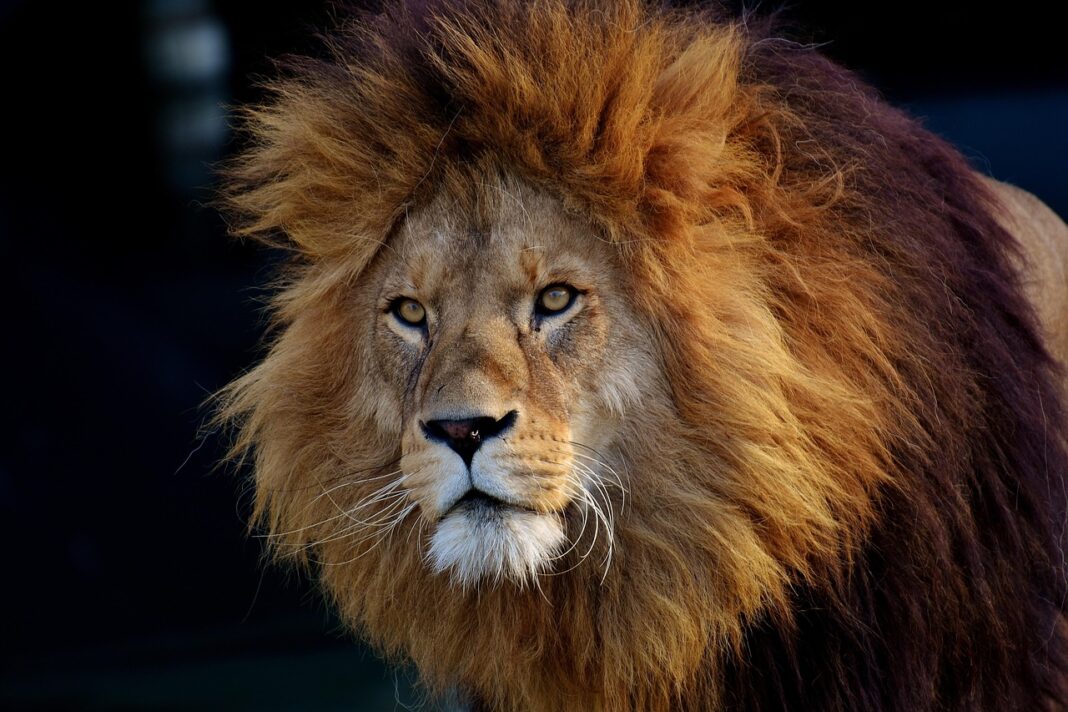
The Lion: Courage and Royalty
The lion, often referred to as the “king of the jungle,” embodies courage, strength, and royalty in numerous cultures.
- Ancient Egypt: The lion-headed goddess Sekhmet represented power and protection.
- Western Cultures: The lion is a common symbol in heraldry, representing bravery and leadership.
- Modern Interpretation: The lion continues to symbolize authority and confidence.
The Serpent: Transformation and Healing
Serpents evoke a complex mix of emotions, representing both danger and wisdom. They are often associated with transformation, healing, and the cyclical nature of life.
- Ancient Greece: The serpent coiled around a staff is the symbol of Asclepius, the god of medicine.
- Various Cultures: Snakes are often linked to shedding skin, symbolizing rebirth and renewal.
- Cautionary Tales: Serpents also represent temptation and deception in some narratives.
The Fox: Cunning and Intelligence
The fox is widely regarded as a symbol of cunning, intelligence, and adaptability. While sometimes depicted negatively as a trickster, the fox’s resourcefulness is also admired.
- Japanese Folklore: Kitsune (fox spirits) are often depicted as intelligent and magical beings.
- European Folktales: Reynard the Fox is a popular character known for his wit and ability to outsmart others.
- Modern Usage: “Foxy” is often used as an adjective to describe someone clever or shrewd.
Animal Legends and Creation Myths
Many cultures feature animals prominently in their creation myths, highlighting the pivotal role they played in shaping the world as we know it. These stories often explain the origins of natural phenomena and the relationship between humans and the animal kingdom.
Raven: The Creator in Northwest Coast Cultures
In the creation myths of the indigenous peoples of the Northwest Coast of North America, the raven is often depicted as a trickster and a transformer.
- Bringing Light: The raven is credited with stealing the sun, moon, and stars from a box and releasing them into the sky, bringing light to the world.
- Creating Land: Raven is often depicted as creating land from the sea by scattering sand or pebbles.
- Teaching Humanity: The raven is also said to have taught humans how to hunt, fish, and survive.
Turtle Island: A Foundation of North America
Several indigenous cultures in North America believe that the continent was formed on the back of a giant turtle.
- Diving for Earth: Various animals attempted to dive into the primordial waters to retrieve earth, but only the muskrat succeeded.
- Building the Land: The earth retrieved by the muskrat was then placed on the turtle’s back, gradually growing into the landmass that is now North America.
- Respect for Nature: This legend emphasizes the importance of respecting the Earth and its creatures.
Spider Woman: The Creator in Native American Traditions
In some Native American traditions, Spider Woman is a creator goddess who wove the world into existence.
- Weaving the Universe: Spider Woman is often depicted as weaving the threads of life and destiny, connecting all things in the universe.
- Teaching Skills: She is also credited with teaching humans essential skills such as weaving, pottery, and agriculture.
- Symbol of Creativity: Spider Woman embodies creativity, ingenuity, and the interconnectedness of all things.
Animal Legends and Spiritual Beliefs
Animals frequently serve as spirit guides, totems, and symbols of spiritual connection in various belief systems. These beliefs often reflect a deep understanding of animal behavior and a recognition of their inherent wisdom.
Totem Animals: Connecting to Inner Strength
Totem animals represent an individual’s or a group’s connection to specific animal spirits, providing guidance, protection, and insight.
- Finding Your Totem: Discovering your totem animal often involves observation, meditation, and reflection on your own personality traits.
- Learning from the Animal: Studying the behavior and characteristics of your totem animal can offer valuable lessons and insights into your own life.
- Example: The Bear: The bear can represent strength, introspection, and a connection to the earth.
Shamanism and Animal Allies
In shamanic traditions, animals often act as spirit guides and allies, assisting shamans in their journeys to the spirit world.
- Animal Transformation: Shamans may take on the form of animals to gain their powers and insights.
- Healing and Protection: Animal spirits can provide healing, protection, and guidance to shamans and their communities.
- Example: The Eagle: The eagle can represent vision, clarity, and a connection to the higher realms.
Animal Deities: Reverence and Worship
Many cultures throughout history have worshipped animals as deities, recognizing their power and importance in the natural world.
- Ancient Egypt: Numerous animal deities were worshipped, including Bastet (cat), Sobek (crocodile), and Thoth (ibis).
- Hinduism: Various animals are considered sacred, including cows, elephants, and monkeys.
- Animal Sanctuaries: In some cultures, animal sanctuaries are established to protect and honor sacred animals.
Animal Legends in Literature and Art
Animal legends have inspired countless works of literature, art, and music, reflecting the enduring fascination humans have with the animal kingdom. These stories often explore themes of morality, transformation, and the relationship between humans and nature.
Fables: Moral Lessons through Animal Characters
Fables are short stories that typically feature animals with human characteristics, conveying moral lessons and ethical principles.
- Aesop’s Fables: The most famous collection of fables, attributed to Aesop, includes stories such as “The Tortoise and the Hare” and “The Lion and the Mouse.”
- Moral of the Story: Each fable concludes with a moral, providing a clear message about how to live a virtuous life.
- Universal Themes: Fables often explore universal themes such as honesty, kindness, and perseverance.
Mythological Creatures: Imagination Unleashed
Mythological creatures, such as dragons, unicorns, and griffins, represent the power of human imagination and the desire to explore the unknown.
- Dragons: Dragons symbolize power, wisdom, and chaos in different cultures.
- Unicorns: Unicorns are often associated with purity, grace, and healing.
- Griffins: Griffins represent strength, courage, and vigilance.
Animals as Metaphors: Deeper Meanings
Authors and artists often use animals as metaphors to explore complex themes and ideas.
- Moby Dick: Herman Melville’s novel “Moby Dick” uses the white whale as a symbol of obsession, the unknowable, and the destructive forces of nature.
- Animal Farm: George Orwell’s “Animal Farm” uses animals to satirize totalitarian regimes and the dangers of unchecked power.
- Visual Arts: Animals are frequently depicted in art to represent various emotions, concepts, and social commentaries.
Conclusion
Animal legends offer a rich and multifaceted lens through which to understand human culture and our relationship with the natural world. They provide insights into our deepest fears and aspirations, our moral values, and our spiritual beliefs. By exploring these captivating stories, we can gain a greater appreciation for the power of symbolism, the importance of storytelling, and the enduring connection between humans and animals. Keep an open mind and a curious heart, and you’ll find that the world of animal legends has much to teach us about ourselves and the world around us.