

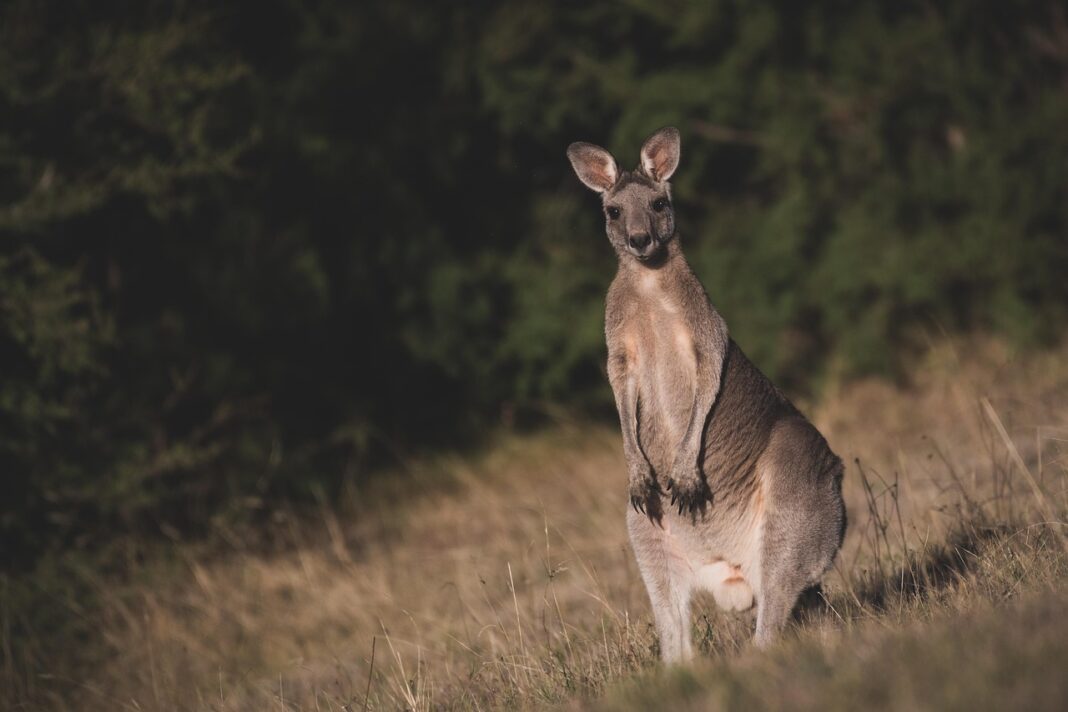

The Earth’s biodiversity is a tapestry woven with countless species, each playing a vital role in maintaining ecological balance. However, this intricate web of life is increasingly threatened, with many species facing the risk of extinction. Understanding the causes, consequences, and potential solutions surrounding endangered species is crucial for safeguarding our planet’s natural heritage for future generations. This blog post delves into the complexities of endangered species, exploring the reasons behind their decline and what we can do to help.
What Does “Endangered Species” Really Mean?
Defining Endangered and Threatened
The terms “endangered” and “threatened” are often used interchangeably, but they represent distinct levels of risk. An endangered species is one that is at serious risk of extinction throughout all or a significant portion of its range. A threatened species, on the other hand, is likely to become endangered in the foreseeable future.
- Endangered: Facing a very high risk of extinction.
- Threatened: Likely to become endangered in the near future.
Organizations like the International Union for Conservation of Nature (IUCN) maintain lists, such as the IUCN Red List, that categorize species according to their extinction risk. The Red List is a crucial tool for guiding conservation efforts worldwide.
Factors Used in Classifying Species
Several factors are considered when classifying a species as endangered or threatened, including:
- Population size: A small or rapidly declining population indicates higher risk.
- Geographic range: Species with limited or fragmented ranges are more vulnerable.
- Habitat loss: Destruction or degradation of habitat reduces species’ ability to survive and reproduce.
- Threats: Factors like overexploitation, invasive species, and climate change are assessed.
- Reproductive rate: Species with slow reproductive rates are less able to recover from population declines.
For example, the Amur Leopard, with fewer than 100 individuals remaining in the wild, is classified as critically endangered due to its extremely small population size and limited geographic range.
The Main Drivers of Species Endangerment
Habitat Loss and Degradation
Habitat loss is arguably the most significant driver of species endangerment. As human populations grow and expand, natural habitats are converted for agriculture, urbanization, and resource extraction.
- Deforestation: Clearing forests for timber, agriculture, and development destroys habitats for countless species. The orangutan, native to the rainforests of Borneo and Sumatra, faces severe threats from deforestation due to palm oil plantations.
- Urbanization: The expansion of cities and towns encroaches on natural habitats, fragmenting populations and reducing access to resources. Many species of birds and small mammals are displaced by urban sprawl.
- Agricultural Expansion: Converting natural habitats into farmland leads to habitat loss and degradation. The conversion of grasslands into agricultural fields has severely impacted prairie dog populations and the species that depend on them.
Climate Change
Climate change is an increasingly significant threat to biodiversity. Rising temperatures, changing precipitation patterns, and more frequent extreme weather events are altering habitats and disrupting ecosystems.
- Rising Sea Levels: Coastal habitats are being inundated, threatening species like sea turtles and shorebirds. The nesting sites of many sea turtle species are disappearing due to rising sea levels.
- Ocean Acidification: Increased CO2 absorption by the oceans is leading to acidification, harming marine life, particularly coral reefs and shellfish. Coral bleaching events are becoming more frequent and severe due to ocean acidification.
- Changes in Species Distribution: As temperatures change, species are forced to move to more suitable habitats, which can disrupt ecological relationships and lead to competition with native species. The pika, a small mammal adapted to cold climates, is struggling to survive as mountain temperatures rise, forcing it to higher elevations.
Invasive Species
Invasive species are non-native plants, animals, or other organisms that can cause harm to the environment, economy, or human health. They often outcompete native species for resources and can introduce diseases.
- Competition: Invasive species can outcompete native species for food, water, and shelter. The brown tree snake, introduced to Guam after World War II, has decimated native bird populations.
- Predation: Some invasive species are predators that can decimate native prey populations. Feral cats are a significant threat to native bird and small mammal populations in many parts of the world.
- Disease Transmission: Invasive species can carry diseases that native species have no immunity to. The chytrid fungus, likely spread through the pet trade, has caused catastrophic declines in amphibian populations worldwide.
Overexploitation
Overexploitation occurs when species are harvested at a rate that exceeds their ability to replenish their populations. This can include overfishing, hunting, and poaching.
- Overfishing: Many fish populations are being overfished, leading to declines in commercially important species and disrupting marine ecosystems. Bluefin tuna populations have been severely depleted due to overfishing.
- Poaching: Illegal hunting and poaching for valuable body parts, such as ivory and rhino horn, continue to threaten many species. Elephant and rhinoceros populations are severely threatened by poaching for ivory and rhino horn, respectively.
- Wildlife Trade: The illegal wildlife trade poses a significant threat to many species, particularly primates, reptiles, and birds. Many species of parrots are threatened by the pet trade.
The Impact of Losing Endangered Species
Ecological Consequences
The loss of endangered species has far-reaching ecological consequences, disrupting ecosystems and affecting ecosystem services.
- Loss of Biodiversity: The extinction of a species represents an irreversible loss of genetic diversity and ecological function. The loss of apex predators, like wolves, can lead to trophic cascades, altering the structure and function of entire ecosystems.
- Disruption of Food Webs: Species are interconnected in complex food webs, and the loss of one species can have cascading effects on other species. The decline of bee populations, for example, threatens the pollination of many plants, including crops.
- Ecosystem Instability: Loss of species can make ecosystems more vulnerable to disturbances, such as disease outbreaks and climate change. Healthy coral reefs, with high biodiversity, are more resilient to bleaching events than degraded reefs.
Economic Consequences
The loss of endangered species can also have significant economic consequences, affecting industries like tourism, agriculture, and fisheries.
- Reduced Tourism Revenue: Many people travel to see endangered species in their natural habitats, and their loss can negatively impact tourism revenue. The decline of gorilla populations in Africa threatens ecotourism industries in countries like Rwanda and Uganda.
- Loss of Ecosystem Services: Endangered species often provide valuable ecosystem services, such as pollination, pest control, and water purification. The decline of bat populations, for example, can lead to increased reliance on pesticides in agriculture.
- Impacts on Fisheries: Overfishing and the loss of marine biodiversity can negatively impact fisheries, affecting the livelihoods of millions of people. The collapse of cod stocks in the North Atlantic had devastating economic consequences for fishing communities.
Ethical and Aesthetic Considerations
Beyond the ecological and economic consequences, there are ethical and aesthetic reasons to protect endangered species. Many people believe that all species have a right to exist, regardless of their economic value.
- Intrinsic Value: Many believe that all species have intrinsic value and deserve to be protected.
- Aesthetic Value: The loss of endangered species diminishes the beauty and diversity of the natural world.
- Future Generations: We have a responsibility to protect biodiversity for future generations.
What Can Be Done to Help?
Conservation Efforts
Effective conservation efforts are crucial for protecting endangered species and their habitats.
- Habitat Protection: Establishing protected areas, such as national parks and wildlife refuges, is essential for conserving habitats.
- Species Recovery Programs: These programs focus on increasing the populations of endangered species through captive breeding, habitat restoration, and other management techniques. The California Condor recovery program has successfully brought this species back from the brink of extinction.
- Regulation of Trade: International agreements, such as the Convention on International Trade in Endangered Species (CITES), regulate the trade of endangered species and their products.
Individual Actions
Individuals can also make a difference in protecting endangered species by taking simple actions in their daily lives.
- Reduce Your Carbon Footprint: By reducing your energy consumption, using public transportation, and supporting sustainable products, you can help mitigate climate change.
- Support Sustainable Products: Choose products that are certified sustainable, such as FSC-certified wood and sustainably sourced seafood.
- Avoid Using Harmful Pesticides and Herbicides: These chemicals can harm wildlife and pollute habitats.
- Educate Others: Spread awareness about endangered species and the threats they face.
- Support Conservation Organizations: Donate to or volunteer with organizations that are working to protect endangered species.
Policy and Legislation
Strong policies and legislation are essential for protecting endangered species and their habitats.
- Endangered Species Act: This US law provides legal protection for endangered and threatened species and their critical habitats.
- International Agreements: International agreements, such as the Paris Agreement on climate change, are crucial for addressing global threats to biodiversity.
- Stricter Enforcement: Enforcing laws against poaching and illegal wildlife trade is essential for protecting endangered species.
Conclusion
Endangered species are a stark reminder of the impact humans have on the planet. Addressing the factors driving their decline requires a multi-faceted approach involving conservation efforts, individual actions, and strong policy and legislation. By understanding the importance of biodiversity and taking steps to protect it, we can help ensure a future where endangered species thrive and our planet remains a vibrant and resilient ecosystem. Every action, no matter how small, contributes to a larger movement of conservation and stewardship, securing a healthier planet for generations to come.