

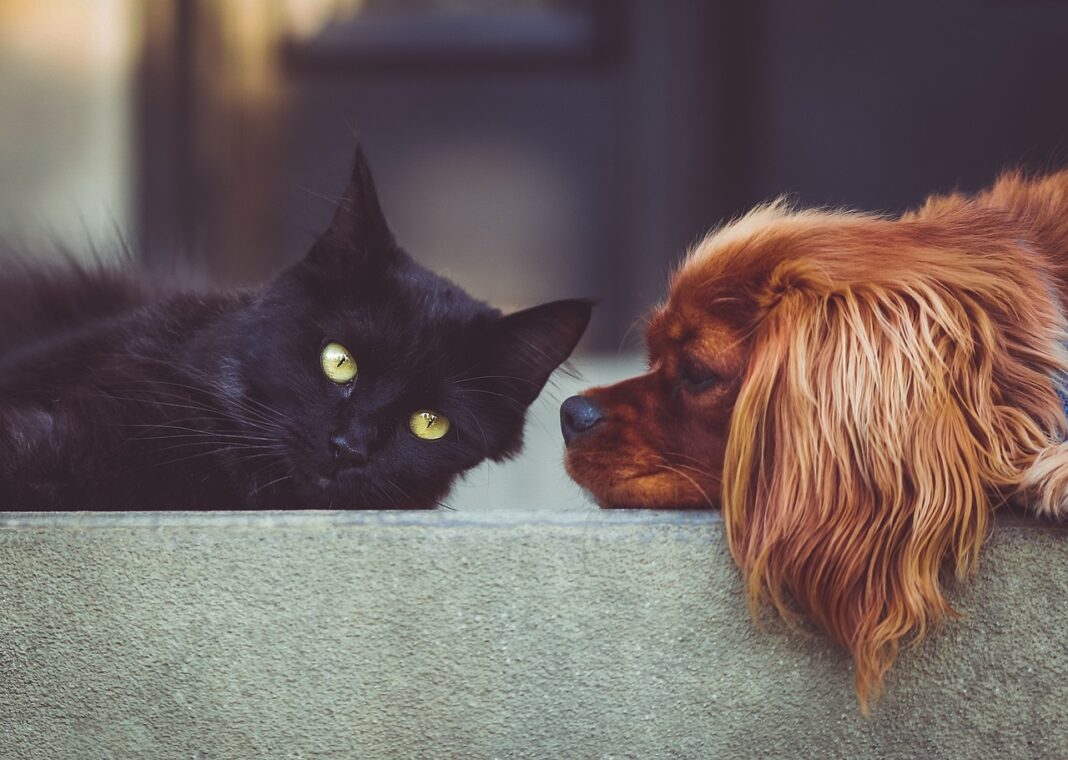

Unlocking the potential of your canine companion goes beyond basic obedience; it’s about forging a deeper connection through engaging activities and rewarding challenges. Teaching your dog tricks is a fantastic way to stimulate their mind, strengthen your bond, and impress your friends (and maybe even win some dog show ribbons!). This guide will walk you through the wonderful world of dog tricks, providing practical tips and techniques to help you and your furry friend embark on this exciting journey.
Why Teach Your Dog Tricks?
Mental Stimulation and Enrichment
Dog tricks aren’t just for show; they’re essential for providing mental stimulation, especially for breeds prone to boredom. Just like humans, dogs need mental exercise to stay happy and healthy. Learning tricks helps them use their problem-solving skills and keeps their minds sharp.
- Prevents boredom and destructive behaviors.
- Keeps their minds engaged and active.
- Reduces anxiety and stress.
For example, a “find the treat” game hidden under cups requires your dog to use their sense of smell and problem-solving skills, providing a significant mental workout.
Strengthening the Bond
Training sessions create positive interactions and shared experiences between you and your dog. The focused attention and positive reinforcement involved in trick training solidify your connection and build trust.
- Enhances communication between you and your dog.
- Increases trust and mutual respect.
- Provides quality time together.
Think about teaching your dog to “hug” you. The physical contact combined with verbal praise creates a powerful bonding experience.
Improving Obedience
Trick training can actually improve your dog’s overall obedience. Many tricks build on basic commands and reinforce fundamental principles like focus, impulse control, and responsiveness to cues.
- Reinforces basic commands like “sit,” “stay,” and “come.”
- Improves focus and attention span.
- Provides a fun way to practice obedience skills.
For instance, teaching your dog to “play dead” requires a solid “down” stay, reinforcing that fundamental command in a new and exciting way.
Getting Started with Trick Training
Essential Tools and Supplies
Before you begin, gather the necessary tools and supplies to ensure successful and enjoyable training sessions.
- High-value treats: Small, delicious treats that your dog loves and are only used for training. Think tiny pieces of cooked chicken, cheese, or commercial dog treats.
- Clicker (optional): A clicker can be a powerful tool for marking desired behaviors. The sound is consistent and precise, helping your dog understand exactly what they’re being rewarded for.
- Training pouch or treat bag: Keeps treats readily accessible and prevents crumbs in your pockets.
- Quiet environment: Minimize distractions to help your dog focus.
- Short training sessions: Keep sessions brief (5-10 minutes) to maintain your dog’s attention and enthusiasm.
Positive Reinforcement Techniques
Positive reinforcement is the most effective and humane way to train dogs. It involves rewarding desired behaviors to increase the likelihood of them being repeated.
- Reward desired behaviors immediately: Timing is crucial. Give the treat or click the clicker the instant your dog performs the desired action.
- Use verbal praise: Combine treats with enthusiastic praise like “Good dog!” or “Yes!”
- Avoid punishment: Punishment can damage your relationship with your dog and lead to fear and anxiety.
- Be patient and consistent: Learning takes time, so be patient and consistent with your training.
For example, if you’re teaching your dog to “shake,” reward them immediately when they lift their paw, even if it’s just a slight movement. Over time, you can shape the behavior into a full paw shake.
Shaping and Luring
Shaping and luring are two common techniques used in trick training.
- Shaping: Rewarding successive approximations of the desired behavior. Start with a small step and gradually increase the difficulty as your dog progresses.
- Luring: Using a treat or toy to guide your dog into the desired position. Once they understand the desired behavior, you can fade the lure and rely on verbal cues or hand signals.
Let’s say you’re teaching your dog to roll over. With shaping, you might start by rewarding them for lying down, then for lying on their side, and finally for completing the roll. With luring, you would use a treat to guide them into the roll, rewarding them when they complete the action.
Fun and Easy Dog Tricks to Teach
“Shake” or “High Five”
This is a classic trick that’s relatively easy to teach and impresses everyone.
Tip: Start with short sessions and gradually increase the duration. Make sure to reward them every time they perform the trick correctly.
“Play Dead”
This trick is a bit more advanced but incredibly rewarding when mastered.
Tip: Patience is key. Break the trick down into small steps and reward your dog for each step they achieve. Use a dramatic voice and hand gestures to make it more fun!
“Spin”
This trick is both fun and good exercise for your dog.
Tip: Start with slow, deliberate circles and gradually increase the speed. You can also use a hand gesture instead of a treat to cue the spin.
Troubleshooting Common Training Issues
Lack of Focus
If your dog is having trouble focusing, there are several things you can try.
- Reduce distractions: Train in a quiet environment with minimal distractions.
- Use high-value treats: More enticing treats can help hold their attention.
- Keep training sessions short: Short, frequent sessions are more effective than long, drawn-out ones.
- End on a positive note: Always finish the session with a trick your dog knows well to boost their confidence.
Resistance to Training
If your dog is resistant to training, it could be due to a variety of factors.
- Check for physical discomfort: Make sure your dog isn’t experiencing any pain or discomfort that could be hindering their ability to learn.
- Adjust your training methods: Try a different approach or break the trick down into smaller, more manageable steps.
- Increase motivation: Use higher-value treats or incorporate playtime into your training sessions.
- Consult a professional trainer: A certified dog trainer can provide personalized guidance and help you address any specific training challenges.
Inconsistency
Inconsistency in training can confuse your dog and slow their progress.
- Use clear and consistent cues: Use the same verbal cues and hand signals every time you practice.
- Train regularly: Consistent training sessions are essential for reinforcing learned behaviors.
- Enlist the help of family members: If multiple people are training the dog, ensure everyone is using the same cues and methods.
Conclusion
Teaching your dog tricks is a rewarding experience that strengthens your bond, stimulates their mind, and enhances their overall well-being. By using positive reinforcement techniques, patience, and consistency, you can unlock your dog’s potential and enjoy the countless benefits of trick training. So, grab your treats, find a quiet spot, and embark on this exciting journey with your furry friend! Remember, every successful trick is a testament to your dedication and your dog’s intelligence, creating a deeper, more fulfilling relationship along the way.