

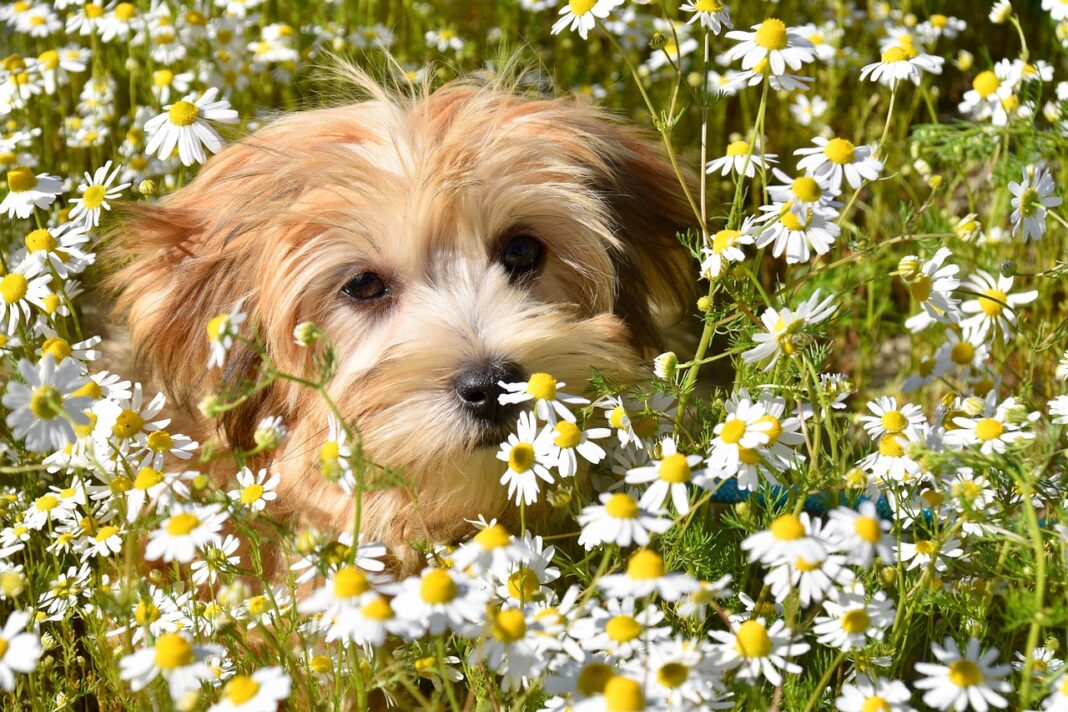

Housebreaking a new dog, especially a puppy, can feel like a marathon, not a sprint. Accidents happen, frustration mounts, and the dream of a perfectly house-trained companion can seem distant. But fear not! With patience, consistency, and the right techniques, you can successfully navigate this crucial stage and establish a solid foundation for a happy, harmonious relationship with your furry friend. This comprehensive guide will provide you with the tools and knowledge you need to effectively housebreak your dog.
Understanding Your Dog’s Needs
Understanding your dog’s elimination needs is the first step towards successful housebreaking. Different dogs have different needs based on age, breed, size, and diet. Recognizing these factors will help you create a realistic and effective training plan.
Age Matters
- Puppies: Puppies have small bladders and less control over their bowel movements. They typically need to eliminate every 2-3 hours, especially after waking up, eating, and playing. A good rule of thumb is that a puppy can hold their bladder for roughly their age in months plus one, measured in hours (e.g. a 3-month-old puppy can hold it for approximately 4 hours).
- Adult Dogs: Adult dogs generally have better bladder control and can hold it for longer periods, typically 6-8 hours. However, individual variations exist, and some adult dogs may need to eliminate more frequently, especially those with medical conditions or dietary sensitivities.
- Senior Dogs: Senior dogs may experience decreased bladder control due to age-related changes. Frequent potty breaks and easy access to designated elimination areas are essential for senior dogs.
Breed and Size Considerations
- Small Breeds: Smaller breeds often have smaller bladders and faster metabolisms, requiring more frequent potty breaks. Examples include Chihuahuas, Pomeranians, and Toy Poodles.
- Large Breeds: Larger breeds may have greater bladder capacity, but their larger food intake can also lead to more frequent bowel movements. Examples include Great Danes, German Shepherds, and Labrador Retrievers.
- Breed-Specific Issues: Some breeds are predisposed to urinary issues. For instance, Dalmatians are prone to urate stones, which can impact urination habits.
Diet and Hydration
- Consistent Feeding Schedule: Feeding your dog at consistent times each day helps regulate their digestive system and predict when they need to eliminate. Avoid free-feeding, where food is available at all times.
- High-Quality Food: Choose a high-quality dog food that is appropriate for your dog’s age, breed, and activity level. Poor-quality foods can lead to digestive issues and increased waste production.
- Water Intake: Ensure your dog has access to fresh water throughout the day. However, avoid giving excessive amounts of water before bedtime to reduce nighttime accidents.
Setting Up a Successful Routine
Establishing a consistent routine is paramount to successful housebreaking. Dogs thrive on predictability, and a structured routine helps them understand when and where they are expected to eliminate.
Designated Potty Area
- Choose a Location: Select a specific spot in your yard as your dog’s designated potty area. This area should be easily accessible and consistently used.
- Scent Marking: The scent of previous eliminations encourages your dog to use the same spot. Avoid cleaning the area thoroughly; leave some residual scent to attract your dog.
- Lead Your Dog: Always lead your dog to the designated potty area on a leash. This helps them associate the area with elimination.
Consistent Potty Breaks
- Frequency: Take your dog out frequently, especially:
First thing in the morning
After waking up from naps
Immediately after eating or drinking
After playing or exercising
* Before bedtime
- Timing: For puppies, take them out every 2-3 hours. Adult dogs can typically hold it longer, but still benefit from regular breaks throughout the day.
- Verbal Cue: Use a specific verbal cue, such as “Go potty” or “Do your business,” when you take your dog to the designated area. This cue will eventually become associated with elimination.
Positive Reinforcement
- Reward Immediately: When your dog eliminates in the designated area, praise them enthusiastically and offer a high-value treat immediately. The timing is crucial; the reward must be given within seconds of the desired behavior.
- Verbal Praise: Combine the treat with verbal praise, such as “Good potty!” or “Yes!”. Your dog will quickly learn to associate the praise and treat with eliminating in the correct spot.
- Avoid Punishment: Never punish your dog for accidents inside the house. Punishment can create fear and anxiety, making housebreaking more difficult. It can also damage your relationship with your dog.
Dealing with Accidents
Accidents are inevitable during the housebreaking process. How you handle these accidents is crucial for maintaining a positive training environment.
Clean Up Thoroughly
- Enzyme Cleaner: Use an enzymatic cleaner specifically designed for pet messes. These cleaners break down the organic matter in urine and feces, eliminating the odor that can attract your dog back to the same spot.
- Avoid Ammonia-Based Cleaners: Avoid using ammonia-based cleaners, as they can smell similar to urine and may encourage your dog to repeat the behavior.
- Absorb First: Before applying the cleaner, absorb as much of the mess as possible with paper towels or an old cloth.
Interrupt and Redirect
- Catching in the Act: If you catch your dog in the act of eliminating inside, interrupt them with a firm but gentle “No” or “Uh-oh”. Immediately take them outside to the designated potty area.
- Praise and Reward: If your dog finishes eliminating outside, praise them enthusiastically and offer a treat.
- Avoid Scolding After the Fact: If you find an accident after it has happened, do not scold your dog. They will not understand why you are upset and may become fearful of you.
Identifying Accident Patterns
- Keep a Log: Keep a log of when and where accidents occur. This can help you identify patterns and adjust your training plan accordingly.
- Medical Causes: If accidents are frequent or sudden, consult your veterinarian to rule out any underlying medical conditions, such as urinary tract infections or bladder stones.
- Stress or Anxiety: Accidents can also be caused by stress or anxiety. Identify and address any potential stressors in your dog’s environment.
Crate Training as a Housebreaking Aid
Crate training can be a valuable tool in housebreaking, as dogs naturally avoid soiling their sleeping areas. A crate provides a safe and secure den for your dog, and it can help with bladder control and routine establishment.
Introducing the Crate
- Positive Association: Make the crate a positive and inviting space. Place comfortable bedding, toys, and treats inside.
- Gradual Introduction: Introduce the crate gradually. Start by leaving the door open and allowing your dog to explore it at their own pace.
- Feeding in the Crate: Feed your dog their meals inside the crate to create a positive association.
Using the Crate for Housebreaking
- Appropriate Size: Choose a crate that is appropriately sized for your dog. It should be large enough for them to stand up, turn around, and lie down comfortably, but not so large that they can eliminate in one corner and sleep in the other.
- Limited Time: Do not leave your dog in the crate for excessive periods. Puppies should not be crated for more than a few hours at a time.
- Potty Breaks After Crate Time: Immediately after taking your dog out of the crate, take them to the designated potty area.
Avoiding Crate Misuse
- Never as Punishment: Never use the crate as a form of punishment. This will create a negative association with the crate and undermine its effectiveness.
- Forced Entry: Do not force your dog into the crate. This can cause fear and anxiety.
- Ignoring Distress: Do not ignore your dog if they are whining or barking in the crate. Investigate the cause of the distress and address it appropriately. They may need to eliminate or have some other need.
When to Seek Professional Help
While many dog owners can successfully housebreak their dogs independently, there are situations where professional help may be necessary.
Persistent Accidents
- Continued Accidents: If you have been consistently following a housebreaking plan for several weeks and your dog is still having frequent accidents, it may be time to consult a professional dog trainer or behaviorist.
- Underlying Issues: Persistent accidents can be a sign of underlying medical or behavioral issues that require expert intervention.
Anxiety or Fear
- Fearful Behavior: If your dog exhibits signs of anxiety or fear related to housebreaking, such as trembling, hiding, or excessive barking, seek professional help.
- Separation Anxiety: Dogs with separation anxiety may have accidents when left alone. A trainer or behaviorist can help you address the underlying anxiety.
Medical Conditions
- Veterinary Consultation: If you suspect a medical condition is contributing to your dog’s accidents, consult your veterinarian. They can diagnose and treat any underlying health issues.
- Medication Side Effects: Some medications can cause increased urination or incontinence. Your veterinarian can adjust the medication or recommend alternative treatments.
Conclusion
Housebreaking your dog is a journey that requires patience, consistency, and understanding. By establishing a routine, using positive reinforcement, and addressing accidents effectively, you can successfully train your dog to eliminate in the appropriate place. Remember to tailor your approach to your dog’s individual needs and seek professional help when necessary. With dedication and perseverance, you can achieve a house-trained companion and enjoy a clean and harmonious home.