

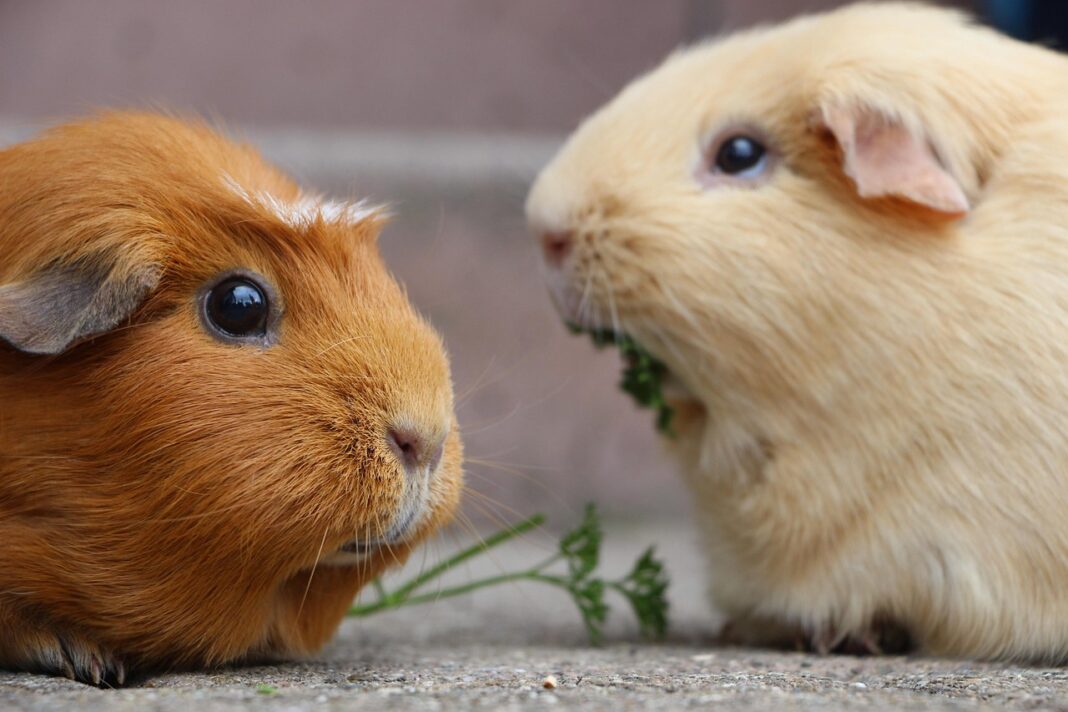

The internet is a vast ocean, and among its most captivating treasures are viral animal videos. These short glimpses into the lives of our furry, scaly, and feathered friends have an undeniable power to brighten our days, spark joy, and even unite people across cultures. But what is it about these videos that makes them so irresistible, and what does their popularity say about us? This post explores the fascinating world of viral animal videos, diving into the reasons behind their appeal and their impact on our lives.
The Anatomy of a Viral Animal Video
What Makes an Animal Video Go Viral?
Going viral is a complex phenomenon, influenced by a multitude of factors. While there’s no guaranteed formula, certain characteristics consistently contribute to a video’s widespread success:
- Relatability: Videos that tap into universal emotions like joy, surprise, or affection tend to resonate with a broader audience. For instance, a video of a dog enthusiastically greeting its owner after a long absence strikes a chord because many people can relate to the powerful bond between humans and their pets.
- Humor: Let’s face it, animals doing silly things is inherently funny. A cat failing to land a jump, a parrot mimicking human speech, or a goat screaming like a human – these moments of unintentional comedy are pure gold in the viral video world.
- Cuteness Overload: It’s a simple truth: baby animals are undeniably adorable. Videos featuring puppies, kittens, chicks, or any other miniature creature often rack up millions of views simply due to their overwhelming cuteness.
- Unexpectedness: Videos that defy expectations or showcase unusual animal behavior are particularly captivating. Think of a lion cub befriending a gazelle, or a crow solving a complex puzzle.
- Emotional Connection: Videos that tell a story or evoke empathy are incredibly powerful. A rescue video of a neglected animal transforming into a happy, healthy pet can pull at heartstrings and inspire action.
- Shareability: Ultimately, a viral video needs to be easy to share. Optimized video formats, catchy titles, and engaging thumbnails are crucial for encouraging viewers to pass the video on to their friends and family.
Examples of Viral Sensations
- “Sneezing Panda”: This classic video features a baby panda startling its mother with a sneeze. Its simplicity and cuteness made it an instant hit, amassing hundreds of millions of views.
- “Dramatic Chipmunk”: A short clip of a chipmunk turning its head in apparent surprise, set to dramatic music, became a meme and a viral phenomenon. Its meme-ability was the key to its success.
- “Talking Husky”: Several videos of huskies “talking” to their owners have gone viral, showcasing the breed’s unique vocalizations and expressive personalities.
The Psychological Appeal of Animal Videos
Why Do We Love Watching Animals Online?
The popularity of animal videos is rooted in several psychological factors:
- Stress Relief: Studies have shown that watching animal videos can lower stress hormones like cortisol and increase positive emotions. They provide a welcome escape from the pressures of daily life.
- Nurturing Instincts: Caring for animals, even vicariously through videos, activates our nurturing instincts and releases oxytocin, often called the “love hormone.”
- Simplicity and Authenticity: In a world saturated with curated content, animal videos offer a glimpse of unfiltered, authentic behavior. There’s a refreshing honesty in watching animals simply being themselves.
- Shared Experience: Viral animal videos provide a shared cultural experience. Talking about a funny video with friends or family fosters connection and a sense of community.
The Science Behind the Cuteness Factor
The “cuteness” response is a powerful evolutionary adaptation. Baby animals, with their large eyes, soft features, and clumsy movements, trigger our caregiving instincts. This response is hardwired into our brains, ensuring that we protect and nurture vulnerable offspring. Viral animal videos often exploit this cuteness factor to great effect.
The Impact of Viral Animal Videos
Positive Effects
- Raising Awareness: Some viral videos highlight important issues like animal cruelty, conservation efforts, and the need for adoption.
- Promoting Animal Welfare: A video showcasing the benefits of spaying/neutering, or responsible pet ownership can make a positive impact.
- Inspiring Compassion: Viral stories of animal heroism or unlikely friendships can inspire compassion and empathy in viewers.
- Educational Opportunities: Certain videos, such as those featuring rare or endangered species, can educate viewers about the natural world and the importance of conservation.
Potential Negative Effects
- Spread of Misinformation: Not all animal videos are created equal. Some may promote harmful stereotypes or provide inaccurate information about animal behavior.
- Exploitation Concerns: It’s important to consider the welfare of the animals featured in viral videos. Some videos may be staged or created in ways that are harmful or stressful to the animals involved.
- Distorted Perceptions: Excessive exposure to idealized animal videos can create unrealistic expectations about pet ownership.
Creating Your Own Viral Animal Video
Tips for Capturing Attention
While going viral is never guaranteed, here are some tips to increase your chances:
- Focus on Authenticity: Capture genuine moments of animal behavior. Avoid staging scenarios or forcing animals to do things they don’t want to do.
- Prioritize Video Quality: Use good lighting, stable shots, and clear audio. A poorly filmed video is unlikely to capture attention.
- Keep it Short and Sweet: Attention spans are short. Aim for concise videos that get to the point quickly.
- Add Engaging Captions and Titles: Use keywords that people are likely to search for, and write compelling descriptions that entice viewers to click.
- Optimize for Social Media: Use appropriate hashtags, share your video on multiple platforms, and engage with viewers in the comments section.
- Think Mobile-First: Most people watch videos on their phones, so ensure your video looks good on smaller screens.
Ethical Considerations
Before filming and sharing any animal video, ask yourself the following questions:
- Is the animal’s welfare being prioritized? Avoid any activity that could cause stress, harm, or discomfort to the animal.
- Am I respecting the animal’s natural behavior? Don’t try to force animals to do things that are unnatural or potentially dangerous.
- Am I being responsible and accurate in my portrayal of the animal? Avoid spreading misinformation or harmful stereotypes.
- Do I have the permission of the animal’s owner (if applicable)?
Conclusion
Viral animal videos are more than just fleeting moments of internet entertainment. They reflect our deep connection to the animal kingdom, our shared sense of humor, and our innate desire for joy and connection. By understanding the factors that contribute to their appeal and the impact they have on our lives, we can appreciate these videos in a more meaningful and responsible way. And who knows, with a little luck and a lot of heart, maybe you’ll create the next viral animal sensation.