

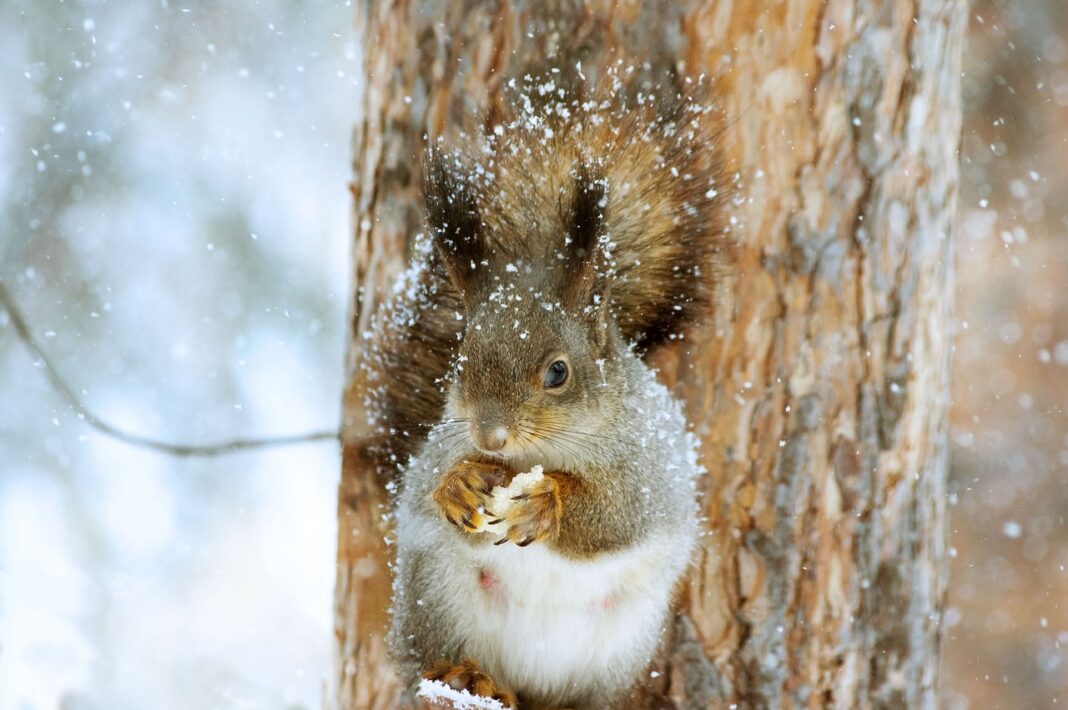

Animal migration, a breathtaking spectacle of nature, is more than just a journey; it’s a fundamental survival strategy for countless species across the globe. From the epic voyages of whales to the delicate flutter of monarch butterflies, these movements are driven by an innate need for food, favorable breeding conditions, or escape from harsh climates. But what exactly fuels these incredible journeys, and what are the challenges these animals face along the way? Let’s delve into the fascinating world of animal migration.
What is Animal Migration?
Defining Migration
Migration is defined as the seasonal movement of animals from one region or habitat to another. This is not simply random wandering; it’s a directed, persistent relocation driven by specific environmental cues and internal biological clocks. It differs from other forms of animal movement like dispersal, which involves one-way movements from a birth site.
- Key characteristics of migration include:
Regularity: Migrations occur on a seasonal or annual basis.
Directionality: Animals move along predictable routes.
Persistence: Individuals or groups maintain movement until they reach their destination.
Energy Allocation: Migratory behavior often comes at a high energetic cost.
Why Animals Migrate
The reasons for migration are diverse and often interconnected. The primary drivers can be broadly categorized as:
- Food Availability: Many animals migrate to areas with abundant food resources, particularly during breeding seasons when energy demands are high. For example, Wildebeest in the Serengeti migrate in search of fresh grazing lands, following the rainfall patterns.
- Breeding Grounds: Migration to specific breeding sites ensures access to suitable habitats for raising offspring. Salmon, for instance, migrate upstream to freshwater spawning grounds where their eggs have a higher chance of survival.
- Climate Avoidance: Escaping harsh weather conditions like extreme cold, drought, or monsoons is a crucial factor. Many bird species migrate south for the winter to avoid freezing temperatures and dwindling food supplies.
- Reduced Predation: Some migrations are driven by the need to avoid areas with high predator densities.
Navigation: How Do Animals Find Their Way?
Sensory Cues and Orientation
Navigating vast distances requires an impressive array of sensory abilities. Migrating animals utilize a combination of cues to stay on course:
- Celestial Navigation: Many birds and insects use the position of the sun, moon, and stars to orient themselves. They possess an internal clock that compensates for the changing position of the sun throughout the day. Experiments have demonstrated the use of star patterns in navigating nocturnal migrants.
- Magnetic Fields: Many species, including birds, turtles, and salmon, can detect and use the Earth’s magnetic field for navigation. They have specialized cells that sense magnetic north and inclination, allowing them to determine their position and direction.
- Olfaction (Smell): Salmon are known to use their sense of smell to navigate back to their natal streams. They imprint on the unique chemical signature of their home waters as juveniles and can recognize it years later.
- Landmarks: Coastal species, like sea turtles, may use visual landmarks such as coastlines and specific geological formations.
Genetic Programming and Learning
Navigation is a complex interplay of innate behavior and learned experience:
- Innate Knowledge: First-time migrants often possess an inherited sense of direction. Studies have shown that juvenile birds, raised in isolation, still exhibit a migratory urge in the correct direction and at the appropriate time of year.
- Learned Routes: In some species, younger individuals learn migratory routes from experienced adults. This is particularly evident in birds that migrate in flocks, where older birds guide the younger ones. For example, Whooping Crane reintroduction programs rely on ultralight aircraft to teach the birds migratory routes.
Types of Migration: A Diverse Spectrum
Latitudinal Migration
This is the most common type, involving movement north-south or south-north. Examples include:
- Bird Migration: Many songbirds migrate from North America to Central and South America for the winter, returning north to breed in the spring. The Arctic Tern has the longest migration of any bird, traveling from the Arctic to the Antarctic and back each year.
- Mammal Migration: Caribou undertake long latitudinal migrations in search of food and breeding grounds.
Altitudinal Migration
In mountainous regions, animals may migrate up and down slopes in response to seasonal changes in temperature and food availability. Examples include:
- Mountain Goats: Migrate to lower elevations during winter to avoid deep snow and access food.
- Insects: Some insects will move down mountain sides for the same reasons.
Oceanic Migration
Many marine species undertake extensive migrations within the oceans. Examples include:
- Whale Migration: Humpback whales migrate from cold feeding grounds near the poles to warmer tropical waters to breed.
- Sea Turtle Migration: Loggerhead sea turtles migrate across entire ocean basins, returning to the same beaches where they were born to lay their eggs.
- Fish Migration: Salmon, as mentioned earlier, exemplify anadromous migration, moving from saltwater to freshwater to spawn. Conversely, eels exhibit catadromous migration, moving from freshwater to saltwater to spawn.
Challenges and Threats to Migration
Habitat Loss and Fragmentation
A major threat to migratory animals is the destruction and fragmentation of their habitats along migratory routes and at their destination points. This makes it harder for animals to find food and water and it exposes them to dangers.
- Urban Development: Cities and towns disrupt natural habitats and create barriers to movement.
- Agricultural Expansion: Clearing land for agriculture reduces available habitat and can expose animals to pesticides and other pollutants.
- Deforestation: The loss of forests destroys vital stopover sites for migrating birds and other animals.
Climate Change
Changing climate patterns are disrupting the timing of migration and altering the availability of resources. This may create a mismatch between when animals arrive at their destinations and when food is most abundant.
- Shifting Seasons: Warmer temperatures are causing plants to bloom earlier, which can affect the availability of food for herbivores.
- Extreme Weather Events: Increased frequency and intensity of storms and droughts can devastate migratory routes and breeding grounds.
- Sea Level Rise: The loss of coastal habitats due to sea level rise is threatening migratory shorebirds and sea turtles.
Human-Induced Obstacles
Numerous obstacles created by human activity can pose significant challenges to migrating animals.
- Wind Turbines and Power Lines: These structures can cause collisions, especially for birds and bats.
- Roads and Highways: Roads fragment habitats and create barriers to movement, leading to increased mortality from vehicle collisions.
- Dams and Water Diversions: Dams obstruct the migration of fish and other aquatic animals.
Conservation Efforts and Solutions
Protecting Critical Habitats
Establishing and managing protected areas along migratory routes is crucial for ensuring the survival of migratory species.
- Wildlife Refuges and National Parks: These areas provide safe havens for migrating animals and help to protect their habitats.
- Connectivity Conservation: Efforts to maintain or restore connections between fragmented habitats are essential for allowing animals to move freely.
Reducing Human-Induced Obstacles
Mitigating the impacts of human infrastructure on migrating animals is vital.
- Bird-Friendly Building Designs: Using bird-safe glass and minimizing light pollution can reduce bird collisions with buildings.
- Wildlife Crossings: Constructing overpasses and underpasses beneath roads can allow animals to safely cross highways.
- Dam Removal and Fish Ladders: Removing obsolete dams and building fish ladders can restore fish migration routes.
Addressing Climate Change
Reducing greenhouse gas emissions and mitigating the impacts of climate change are essential for protecting migratory animals in the long term.
- Supporting Renewable Energy: Transitioning to renewable energy sources like solar and wind power can reduce greenhouse gas emissions.
- Reducing Deforestation: Protecting and restoring forests can help to absorb carbon dioxide from the atmosphere.
- Adapting to Climate Change: Implementing strategies to help migratory animals adapt to changing climate conditions, such as restoring degraded habitats and managing water resources, is crucial.
Conclusion
Animal migration is a testament to the remarkable adaptability and resilience of life on Earth. These journeys, driven by instinct and necessity, connect ecosystems across vast distances and play a critical role in maintaining biodiversity. However, these ancient patterns are increasingly threatened by human activities. By understanding the challenges faced by migratory species and implementing effective conservation strategies, we can ensure that these incredible spectacles of nature continue to inspire and amaze future generations. Taking action, from supporting conservation organizations to advocating for responsible development practices, is crucial for safeguarding the future of animal migration.